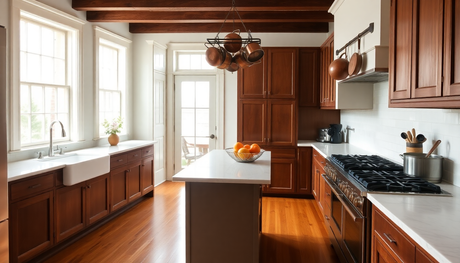
When you start dreaming about your new kitchen, the first question that comes to mind is usually: "How much is this going to cost?" It's a fair question, and honestly, it's one of the most important ones you'll ask during your kitchen remodeling journey. Kitchen remodels are significant investments, and understanding what actually drives the costs can mean the difference between a project that stays on budget and one that spirals out of control.
At PoshHaus in Keene, NH, we've helped countless homeowners navigate the complex world of kitchen renovation budgets. We've seen projects that started at one price point and ended at another, and we've learned exactly what factors influence those numbers. Whether you're planning a modest update or a complete kitchen overhaul, understanding the breakdown of kitchen remodel costs in New Hampshire is essential to making informed decisions about your home improvement project.
The truth is, kitchen remodeling costs aren't mysterious or arbitrary. They follow predictable patterns based on specific components and labor requirements. By the end of this comprehensive guide, you'll understand exactly where your money goes, what factors influence pricing in New Hampshire specifically, and how to make smart decisions that align with your budget and vision.
Understanding the Kitchen Remodel Cost Landscape in New Hampshire
Kitchen remodeling costs vary significantly across different regions of the United States, and New Hampshire has its own unique pricing structure. Several factors contribute to these regional variations, and understanding them will help you set realistic expectations for your project.
First, let's talk about the general cost range. A basic kitchen remodel in New Hampshire typically starts around $20,000 to $30,000, while a mid-range remodel falls between $50,000 and $75,000. High-end kitchen renovations can easily exceed $100,000 and sometimes reach $150,000 or more. These numbers aren't random—they're based on actual material costs, labor rates, and the complexity of the work involved.
New Hampshire's cost of living is moderate compared to other New England states, which means kitchen remodeling costs here are generally more affordable than in Massachusetts or Connecticut, but potentially higher than in some southern states. However, this doesn't mean you should assume your project will be cheap. Quality materials and skilled labor command fair prices regardless of location, and New Hampshire homeowners deserve the same level of craftsmanship and quality as anyone else.
The timing of your project also matters. Spring and summer are peak seasons for home remodeling, which means contractors are busier and may charge premium rates. If you have flexibility in your timeline, scheduling your kitchen remodel during the fall or winter months might result in better pricing and more availability from top contractors.
The Major Cost Drivers: Where Your Money Really Goes
When you break down a kitchen remodel budget, several major categories account for the vast majority of your spending. Understanding these categories is crucial because they represent the biggest financial commitments in your project.
Cabinets: The Largest Single Expense
Cabinets typically represent the single largest expense in a kitchen remodel, often accounting for 30 to 40 percent of your total budget. This makes sense when you consider that cabinets cover a significant portion of your kitchen's visual real estate and functionality.
The cost of cabinets varies dramatically based on the type you choose. Stock cabinets are the most affordable option, ranging from $100 to $300 per linear foot installed. These are pre-made cabinets manufactured in standard sizes and finishes. They're readily available, quick to install, and perfect for homeowners on a tight budget. However, they offer limited customization options and may not fit perfectly in every kitchen layout.
Semi-custom cabinets offer a middle ground between stock and fully custom options. These cabinets are made to order with various customization options for size, finish, hardware, and interior features. Semi-custom cabinets typically cost between $300 and $600 per linear foot installed. They provide much more flexibility than stock cabinets while remaining more affordable than fully custom options.
Fully custom cabinets are built specifically for your kitchen by skilled craftspeople. These cabinets can be designed to fit any space perfectly, incorporate unique features, and use premium materials and finishes. Custom cabinets typically cost $600 to $1,200 or more per linear foot installed. For a kitchen with 30 linear feet of cabinets, this could mean a cabinet investment of $18,000 to $36,000 or more.
The material of your cabinets also significantly impacts cost. Plywood construction is more durable and expensive than particleboard. Solid wood cabinets cost more than veneer options. Premium wood species like cherry or walnut command higher prices than oak or maple. Hardware choices, interior organization systems, and special features like soft-close hinges and pull-out shelves all add to the final cost.
In New Hampshire, where quality craftsmanship is valued, many homeowners opt for semi-custom cabinets that offer excellent quality and customization without the premium price tag of fully custom options. This is often the sweet spot for achieving a beautiful, functional kitchen within a reasonable budget.
Countertops: Balancing Beauty and Budget
Countertops are the second major expense in most kitchen remodels, typically accounting for 10 to 20 percent of your total budget. Like cabinets, countertop costs vary dramatically based on material selection.
Laminate countertops are the most budget-friendly option, ranging from $10 to $30 per square foot installed. Laminate has improved significantly over the years and can look quite attractive, though it's not as durable as premium materials and can be damaged by heat and sharp objects.
Solid surface countertops like Corian cost between $35 and $65 per square foot installed. These non-porous surfaces are durable, easy to clean, and can be repaired if damaged. They offer a clean, modern aesthetic and come in numerous colors and patterns.
Granite countertops have been popular for years and typically cost $50 to $100 per square foot installed, depending on the specific stone and complexity of the installation. Granite is beautiful, durable, and heat-resistant, though it requires periodic sealing to maintain its appearance.
Quartz countertops are engineered stone products that have become increasingly popular in recent years. They typically cost $60 to $120 per square foot installed. Quartz is non-porous, extremely durable, and requires no sealing. It comes in a wide variety of colors and patterns and is an excellent choice for homeowners who want the look of natural stone with easier maintenance.
Marble countertops are luxurious and beautiful but require significant maintenance. They typically cost $75 to $150 per square foot installed. Marble is softer than granite and quartz, making it more prone to staining and etching, so it's best suited for homeowners who are willing to care for their countertops properly.
Butcher block countertops offer a warm, natural aesthetic and typically cost $35 to $85 per square foot installed. However, they require regular oiling and maintenance and aren't as durable as stone options.
For a typical kitchen with 50 square feet of countertop space, your material costs alone could range from $500 for laminate to $6,000 or more for premium granite or quartz. Add in the cost of installation, sink cutouts, and edge treatments, and you're looking at a significant portion of your remodel budget.
In New Hampshire, many homeowners are choosing quartz for its durability and low maintenance requirements, making it an excellent value proposition despite its higher upfront cost.
Appliances: Essential but Variable Costs
Kitchen appliances typically account for 15 to 25 percent of your remodel budget. The cost range here is enormous because appliance quality and features vary so dramatically.
Budget appliances from brands like Frigidaire or Hotpoint might cost $300 to $800 each. These appliances work fine for basic cooking and food storage but may lack advanced features and might not last as long as premium options.
Mid-range appliances from brands like LG, Samsung, or Whirlpool typically cost $800 to $2,000 each. These appliances offer good quality, reasonable durability, and useful features without the premium price tag.
Premium appliances from brands like Miele, Thermador, or Viking can cost $2,000 to $5,000 or more per unit. These appliances offer superior build quality, advanced features, and often come with excellent warranties.
A typical kitchen remodel includes a refrigerator, range or cooktop and wall oven, dishwasher, and microwave. If you choose mid-range appliances for each, you might spend $5,000 to $8,000 total. If you opt for premium appliances, you could easily spend $15,000 to $25,000 or more.
The good news is that appliances are one area where you have flexibility. You can choose to invest heavily in appliances you use frequently (like a high-end refrigerator and range) while selecting more budget-friendly options for others (like a basic microwave). This allows you to balance your budget while still getting quality where it matters most to you.
At PoshHaus, we carry a wide selection of appliances at various price points, allowing you to find options that fit your budget and your kitchen's design aesthetic.
Labor Costs: The Hidden Driver of Your Budget
Labor costs are often underestimated by homeowners planning a kitchen remodel, yet they can represent 20 to 35 percent of your total project cost. In New Hampshire, skilled tradespeople command fair wages, and understanding what you're paying for is important.
General contractors typically charge either a flat project fee or a percentage of the total project cost (usually 10 to 20 percent). This fee covers their time managing the project, coordinating subcontractors, obtaining permits, and ensuring quality work.
Plumbers charge hourly rates typically ranging from $75 to $150 per hour in New Hampshire, plus material costs. Moving plumbing fixtures, installing new ones, and running new water and drain lines can add significant costs to your project.
Electricians charge similar rates, typically $75 to $150 per hour. If your remodel involves adding new outlets, moving fixtures, or upgrading your electrical panel, these costs can add up quickly.
Carpenters and cabinet installers typically charge $50 to $100 per hour. Cabinet installation alone can take 20 to 40 hours depending on the complexity of your kitchen layout.
Tile installers and other specialty tradespeople charge $50 to $100 per hour or may charge per square foot for their work.
The complexity of your kitchen layout significantly impacts labor costs. A simple kitchen with a straightforward layout will require less labor than a kitchen with a complex island, multiple levels, or significant structural changes.
Demolition and disposal costs are often overlooked but can be substantial. Removing old cabinets, countertops, flooring, and appliances, then properly disposing of them, typically costs $1,000 to $3,000 depending on the scope of work.
The Detailed Budget Breakdown: What to Expect
Let's walk through a realistic budget breakdown for three different kitchen remodel scenarios in New Hampshire: a modest remodel, a mid-range remodel, and a high-end remodel.
Modest Kitchen Remodel Budget: $35,000 to $45,000
A modest kitchen remodel typically involves updating cabinets, countertops, and appliances while keeping the kitchen layout largely the same.
Cabinets (stock or basic semi-custom): $8,000 to $12,000 Countertops (laminate or solid surface): $2,500 to $4,000 Appliances (mid-range): $4,000 to $6,000 Flooring (vinyl or basic tile): $2,000 to $3,000 Backsplash (basic tile): $1,000 to $1,500 Lighting fixtures: $800 to $1,200 Plumbing and electrical work: $2,000 to $3,000 Labor and installation: $8,000 to $10,000 Permits and miscellaneous: $500 to $1,000
This type of remodel works well for homeowners who want to refresh their kitchen without major structural changes. The focus is on updating the visible elements that make the biggest impact on the kitchen's appearance and functionality.
Mid-Range Kitchen Remodel Budget: $60,000 to $85,000
A mid-range kitchen remodel typically involves semi-custom cabinets, premium countertops, quality appliances, and possibly some layout modifications.
Cabinets (semi-custom): $15,000 to $20,000 Countertops (granite or quartz): $5,000 to $8,000 Appliances (quality mid-range to premium): $7,000 to $10,000 Flooring (quality tile or wood): $3,500 to $5,000 Backsplash (quality tile or stone): $1,500 to $2,500 Lighting fixtures and hardware: $1,500 to $2,000 Plumbing and electrical work: $3,000 to $5,000 Labor and installation: $15,000 to $20,000 Permits, design consultation, and miscellaneous: $2,000 to $3,000
This budget level allows for more customization and higher-quality materials while still maintaining reasonable costs. Many homeowners find this sweet spot offers the best value for their investment.
High-End Kitchen Remodel Budget: $120,000 to $180,000+
A high-end kitchen remodel typically involves custom or premium semi-custom cabinets, luxury countertops, premium appliances, and often includes significant layout changes and premium finishes throughout.
Cabinets (custom or premium semi-custom): $30,000 to $45,000 Countertops (premium granite, quartz, or marble): $8,000 to $12,000 Appliances (premium brands): $12,000 to $18,000 Flooring (premium wood, tile, or stone): $6,000 to $10,000 Backsplash (premium materials): $2,500 to $4,000 Lighting fixtures and hardware (designer selections): $3,000 to $5,000 Plumbing and electrical work (extensive): $5,000 to $8,000 Labor and installation (skilled craftspeople): $30,000 to $50,000 Design consultation and permits: $3,000 to $5,000 Miscellaneous and contingency: $5,000 to $10,000
High-end remodels often include features like custom islands, multiple levels, premium finishes, and designer selections throughout. These projects typically take longer and require more skilled labor.
Hidden Costs That Surprise Homeowners
Beyond the major categories we've discussed, several hidden costs often surprise homeowners during kitchen remodels. Understanding these potential expenses helps you budget more accurately and avoid financial stress during your project.
Structural Issues and Unexpected Discoveries
Once demolition begins, contractors sometimes discover problems that weren't visible before. Rotted wood, outdated wiring, plumbing issues, or structural problems can require additional work and expense. It's wise to budget 10 to 15 percent of your total project cost as a contingency fund for these unexpected issues.
In older New Hampshire homes, discovering outdated electrical systems or plumbing that needs upgrading is common. These discoveries can add $2,000 to $10,000 or more to your project cost, depending on the severity of the issues.
Permit and Inspection Costs
Kitchen remodels typically require permits and inspections, which cost money. In New Hampshire, permit costs vary by municipality but typically range from $200 to $1,000 depending on the scope of work. Inspection fees may be additional.
Some homeowners try to avoid permits to save money, but this is a serious mistake. Unpermitted work can create problems when selling your home, may not be covered by insurance, and could result in fines. Always budget for proper permits and inspections.
Disposal and Haul-Away Costs
Removing and disposing of old cabinets, countertops, appliances, and other materials costs money. Depending on the amount of debris and your location in New Hampshire, disposal costs can range from $500 to $2,000. Some contractors include this in their labor costs, while others charge separately.
Design and Consultation Fees
If you work with a kitchen designer or architect, expect to pay $1,000 to $5,000 or more for their services. However, professional design often saves money by preventing costly mistakes and helping you make smart material and layout choices.
Temporary Kitchen Setup
During your remodel, you'll need somewhere to prepare meals. Some homeowners set up a temporary kitchen in another room with a hot plate and cooler. Others eat out more frequently. Budget for these additional food costs during your remodel period.
Extended Timeline Costs
If your project takes longer than expected, you might incur additional costs for contractor time, temporary utilities, or extended rental of equipment. Building a realistic timeline and choosing experienced contractors helps minimize these costs.
Upgrading Utilities and Systems
If your kitchen remodel involves moving appliances or fixtures, you might need to upgrade water lines, gas lines, or electrical circuits. These upgrades can cost $1,000 to $5,000 or more depending on the extent of the work required.