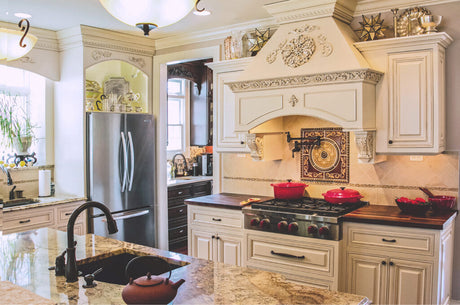
When it comes to ordering kitchen cabinets online, one of the most critical steps is getting accurate measurements. Whether you're planning a complete kitchen renovation or simply updating your cabinetry, precise measurements are the foundation of a successful project. At PoshHaus, we understand that many homeowners feel intimidated by the measuring process, which is why we've created this comprehensive guide to walk you through every step. With our expert tips and straightforward instructions, you'll be able to measure your kitchen like a professional and confidently place your cabinet order online.
Understanding Why Accurate Measurements Matter
Before we dive into the how-to portion of this guide, it's important to understand why accurate measurements are so crucial when ordering kitchen cabinets online. Unlike shopping in a physical showroom where you can see and touch products before purchasing, online ordering requires you to make decisions based on specifications and measurements. If your measurements are off by even a quarter inch, it could result in cabinets that don't fit properly, gaps between units, or worse, cabinets that are completely unusable for your space.
Accurate measurements ensure that your new cabinets will fit seamlessly into your kitchen, align properly with your walls and appliances, and create the polished, professional look you're envisioning. They also help you avoid costly mistakes, returns, and installation delays. Additionally, when you provide accurate measurements to our team at PoshHaus, we can give you a precise quote and help you select the right cabinet configurations for your space.
Gathering Your Measuring Tools
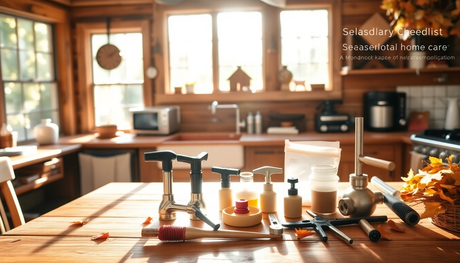
The first step in measuring your kitchen is to gather the right tools. You don't need anything fancy or expensive, but having the proper equipment will make the process much easier and more accurate. Here's what you'll need:
Essential Measuring Tools
A tape measure is your most important tool. We recommend using a 25-foot tape measure, as this will be long enough to measure the length and height of your kitchen walls. A 16-foot tape measure might work for smaller kitchens, but a longer one gives you more flexibility. Make sure your tape measure has clear, easy-to-read markings in both feet and inches.
A level is another essential tool. A two-foot or four-foot level will help you determine if your walls, cabinets, and countertops are plumb and level. This is important because many kitchens have walls that aren't perfectly straight or level, and this information is crucial for cabinet installation.
A notepad and pencil are necessary for recording your measurements. We recommend using a pencil rather than a pen because you may need to erase and correct measurements as you work. Some people prefer to take photos with their smartphone as a backup reference.
A smartphone or camera can be incredibly helpful for documenting your kitchen space. Taking photos from different angles will help you remember the layout and any special features or obstacles you need to account for.
Optional But Helpful Tools
A laser measuring tool can be a great investment if you plan to do multiple measuring projects. These tools are faster and often more accurate than traditional tape measures, especially for longer distances. However, they're not necessary for this project.
A stud finder can be useful if you need to locate wall studs for cabinet installation planning, though this isn't essential for the initial measuring process.
Preparing Your Kitchen for Measurement
Before you start measuring, take some time to prepare your kitchen space. Clear out any items from your countertops and remove any obstacles that might interfere with your measurements. If you have a dishwasher or other appliances that will be replaced, note their current dimensions as this information will be helpful when selecting new cabinets.
Take a moment to examine your kitchen layout. Look at where your current cabinets are positioned, note any windows or doors, and identify any architectural features like soffits, beams, or unusual wall angles. These details will be important when you're measuring and planning your new cabinet layout.
If you're planning to keep any existing appliances or fixtures, measure them as well. This includes your refrigerator, stove, microwave, and sink. Knowing these dimensions will help ensure your new cabinets are designed to accommodate these items properly.
Measuring Wall Dimensions
Now that you're prepared, it's time to start measuring. We'll begin with your wall dimensions, as these form the foundation for your cabinet layout.
Measuring Wall Length
Start by measuring the length of each wall where you plan to install cabinets. Begin at one corner and extend your tape measure to the opposite corner, keeping the tape measure as straight and level as possible. Record this measurement in feet and inches. If your wall is longer than your tape measure, you'll need to measure in sections and add them together.
For walls with obstacles like windows or doors, measure the full length of the wall, then measure the width of the window or door opening separately. This will help you understand how much usable cabinet space you have on that wall.
Measuring Wall Height
Wall height is equally important. Measure from the floor to the ceiling at multiple points along each wall. Many kitchens have ceilings that aren't perfectly level, so take measurements at the beginning, middle, and end of each wall. Record the highest measurement, as this will determine the maximum height of your cabinets.
Also measure the height from the floor to any existing countertops or where you plan to install new countertops. This measurement is crucial for determining the height of your base cabinets.
Checking for Level and Plumb
Use your level to check if your walls are plumb (perfectly vertical) and if your floor is level. Place the level against the wall and note any gaps between the level and the wall surface. If there are gaps, your wall is not plumb. Similarly, place the level on the floor to check if it's level.
Record these findings because they'll be important information for the cabinet installation process. Even small deviations from plumb and level can affect how your cabinets fit and look.
Measuring Existing Cabinets and Appliances
If you're replacing existing cabinets, measure them carefully. Note the height, width, and depth of your current cabinetry. Also measure the height of your current countertops from the floor.
For appliances that will remain in your kitchen, measure their width, depth, and height. This includes your refrigerator, range, dishwasher, and microwave. If you're planning to replace any appliances, research the standard dimensions of the new appliances you're considering and use those measurements instead.
Measuring Countertop Space
Countertop measurements are essential for planning your cabinet layout. Measure the length of each countertop area where you plan to install cabinets. If your countertops are L-shaped or U-shaped, measure each section separately.
Also measure the depth of your current countertops. Standard countertop depth is typically 24 to 25 inches, but some kitchens may have deeper or shallower countertops. This measurement will help determine the depth of your base cabinets.
Identifying Special Features and Obstacles
As you measure, take note of any special features or obstacles in your kitchen that might affect your cabinet layout. These could include:
Windows and Doors
Measure the height and width of any windows in your kitchen. Note how far the window sill is from the floor and how far the top of the window is from the ceiling. This information will help determine if you can install cabinets above or below the window.
Similarly, measure any doorways and note their location relative to where you plan to install cabinets. Doors that open into the kitchen need clearance space, so understanding their swing pattern is important.
Electrical Outlets and Switches
Note the location of electrical outlets and light switches on your kitchen walls. Measure their height from the floor and their distance from corners or other reference points. This information will help ensure your new cabinets don't cover outlets or switches, or if they do, that they can be relocated by a qualified electrician.
Plumbing and Gas Lines
If you have a sink, measure its location and note the plumbing connections. If you have a gas range, note the location of the gas line. These utilities may need to be relocated during your cabinet installation, so knowing their current location is important.
Architectural Features
Note any architectural features like soffits, beams, or crown molding. Measure their dimensions and location. These features may need to be worked around or removed during your cabinet installation.
Uneven Walls and Corners
Check if your walls are straight by holding a long straightedge against them. Many older homes have walls that bow or curve slightly. If your walls aren't straight, note where the deviations occur and measure the gap between the wall and the straightedge.
Similarly, check if your corners are square by measuring the diagonal distance across the corner. In a perfectly square corner, the diagonal measurement should be consistent. If it varies, your corner isn't square, which is important information for cabinet installation.
Creating a Detailed Floor Plan
Once you've taken all your measurements, it's time to create a detailed floor plan of your kitchen. You can do this by hand on graph paper or using a digital tool. Your floor plan should include:
- The dimensions of all walls
- The location and dimensions of windows and doors
- The location and dimensions of existing appliances
- The location of electrical outlets and switches
- The location of plumbing and gas connections
- Any architectural features or obstacles
- Notes about walls that aren't plumb or level, or corners that aren't square
This floor plan will be invaluable when you're selecting your cabinets and working with our team at PoshHaus to finalize your order.
Measuring for Upper Cabinets
Upper cabinets require their own set of measurements. Measure the height from the top of your countertops to the bottom of any soffits or to the ceiling if there are no soffits. This measurement will determine the maximum height of your upper cabinets.
Also measure the depth of your upper cabinets if you're replacing existing ones. Standard upper cabinet depth is typically 12 to 13 inches, but some kitchens may have deeper or shallower cabinets.
Measure the length of wall space available for upper cabinets on each wall. Remember to account for windows, doors, and any other obstacles.
Measuring for Base Cabinets
Base cabinets sit on the floor and support your countertops. Measure the length of wall space available for base cabinets on each wall. As with upper cabinets, account for windows, doors, and other obstacles.
Measure the height from the floor to where your countertops will be installed. Standard base cabinet height is typically 34.5 inches, which allows for a 1.5-inch countertop to bring the total to 36 inches. However, some people prefer taller or shorter base cabinets, so knowing your preference is important.
Also measure the depth of your current base cabinets or the depth you prefer for your new cabinets. Standard base cabinet depth is 24 inches, but some people prefer deeper or shallower cabinets depending on their needs.
Measuring for Island or Peninsula Cabinets
If you're planning to install cabinets on an island or peninsula, measure the space carefully. Measure the length and width of the island or peninsula, as well as the clearance space around it. You'll need at least 36 to 42 inches of clearance on all sides of an island for comfortable movement and appliance operation.
Also measure the height of any existing island or peninsula cabinets, and note any appliances or fixtures that will be installed on the island.
Taking Photos and Notes
As you measure, take photos of your kitchen from multiple angles. These photos will serve as a visual reference when you're reviewing your measurements and working with our team at PoshHaus. Make sure to photograph:
- Each wall where cabinets will be installed
- Any windows, doors, or architectural features
- The location of appliances and fixtures
- Any areas with uneven walls or corners
Also write detailed notes about anything unusual or noteworthy about your kitchen. For example, if you have a sloped ceiling, uneven walls, or unusual architectural features, make sure to note these details clearly.
Double-Checking Your Measurements
Before you submit your measurements to PoshHaus, take time to double-check everything. Measure each wall at least twice, and if you get different measurements, measure a third time to determine which is correct. Check your math if you've added multiple measurements together.
Compare your measurements to your floor plan to make sure everything is consistent. If you notice any discrepancies, remeasure those areas.
Also review your photos to make sure they match your measurements and notes. If something doesn't look right, take additional photos or measurements to clarify.
Common Measuring Mistakes to Avoid
Even experienced DIYers can make measuring mistakes. Here are some common errors to avoid:
Not Measuring Multiple Times
Measure each dimension at least twice. If you get different measurements, measure again. Taking time to verify your measurements now will save you headaches later.
Forgetting to Account for Obstacles
Make sure you account for all windows, doors, electrical outlets, and other obstacles when measuring. These features can significantly impact your cabinet layout.
Not Checking for Level and Plumb
Walls that aren't plumb and floors that aren't level can cause problems during installation. Make sure to check these and note any deviations.
Measuring Only at One Point
For longer walls, measure at multiple points. Walls aren't always straight, and measuring at only one point might not give you an accurate picture of the entire wall.
Forgetting to Measure Depth
Many people focus on length and height but forget to measure depth. Make sure you measure the depth of your current cabinets or the depth you prefer for your new cabinets.
Not Accounting for Appliance Dimensions
If you're keeping existing appliances, make sure you measure them and account for their dimensions in your cabinet layout. If you're replacing appliances, research the dimensions of the new appliances you're considering.
Ignoring Architectural Features
Soffits, beams, and other architectural features can impact your cabinet layout. Make sure to measure and account for these features.
Using Your Measurements to Request a Quote
Once you've completed your measurements and created your floor plan, you're ready to request a quote from PoshHaus. Our team will use your measurements to help you select the right cabinets for your space and provide you with an accurate quote.
When you submit your measurements, include your floor plan, photos, and detailed notes about your kitchen. The more information you provide, the more accurate our quote will be.
Don't forget to mention any special requirements or preferences you have. For example, if you prefer taller base cabinets, want to keep certain appliances, or have specific style preferences, let us know. Our team will work with you to find the perfect solution for your kitchen.
Taking Advantage of PoshHaus Financing Options
At PoshHaus, we want to make your kitchen renovation as affordable as possible. We offer 12-month same as cash financing on orders of $3,000 or more, subject to approval. This means you can get the kitchen cabinets you want without paying interest for a full year.
Additionally, we're offering a special promotion: save 10% off orders of $3,000 or more when you use code POSHKCD at checkout. This discount can help you save hundreds of dollars on your cabinet order.
Visiting the PoshHaus Showroom
While measuring your kitchen online is convenient, we also encourage you to visit our showroom in Keene, NH. Our showroom features a wide selection of kitchen, bath, lighting, cabinets, countertops, flooring, appliances, and furniture. Our knowledgeable staff can help you explore your options, answer your questions, and provide personalized recommendations based on your measurements and preferences.
Visiting our showroom is a great way to see and touch different cabinet styles, finishes, and materials. You can also get expert advice on design and layout options that might work well for your kitchen.
The Next Steps After Measuring
Once you've submitted your measurements and received a quote from PoshHaus, the next steps will depend on your specific situation. Our team will work with you to finalize your cabinet selection, discuss design options, and arrange for delivery and installation.
If you're planning to install the cabinets yourself, we can provide guidance and support throughout the process. If you prefer to hire a professional installer, we can recommend qualified contractors in the Keene, NH area.
Conclusion
Measuring your kitchen for online cabinet orders might seem daunting at first, but with the right tools, preparation, and guidance, it's a task that any homeowner can accomplish. By following the steps outlined in this guide, you'll be able to take accurate measurements that will serve as the foundation for a successful cabinet order.
Remember, accuracy is key. Take your time, measure multiple times, and don't hesitate to reach out to our team at PoshHaus if you have questions or need clarification on any aspect of the measuring process. We're here to help you create the kitchen of your dreams.
Ready to get started? Gather your measuring tools, follow this guide, and prepare to transform your kitchen with beautiful, high-quality cabinets from PoshHaus. And don't forget to use code POSHKCD at checkout to save 10% off orders of $3,000 or more. We look forward to helping you with your kitchen renovation project!