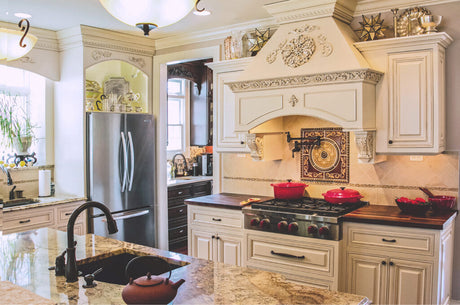
The kitchen has long been considered the heart of the home, and nowhere is this more evident than in New England, where culinary traditions meet coastal charm and timeless design principles. When it comes to creating a kitchen that truly reflects the character of a New England home, few elements are as important as the cabinetry. Kitchen cabinets serve not only as functional storage solutions but also as the defining visual element that sets the tone for the entire space. In recent years, New England homeowners have embraced a distinctive approach to kitchen cabinet design that honors regional aesthetics while incorporating contemporary comfort and functionality.
The evolution of kitchen cabinet trends in New England homes tells a fascinating story about how regional preferences, architectural heritage, and modern lifestyle needs intersect to create beautiful, functional spaces. Whether you're planning a complete kitchen renovation or simply looking to update your existing cabinetry, understanding these trends can help you make informed decisions that will enhance both the beauty and value of your home. At PoshHaus, Keene, NH's premier destination for quality kitchen, bath, and home design solutions, we've witnessed firsthand how these trends are transforming kitchens throughout the region.
The Enduring Appeal of Coastal White Cabinetry
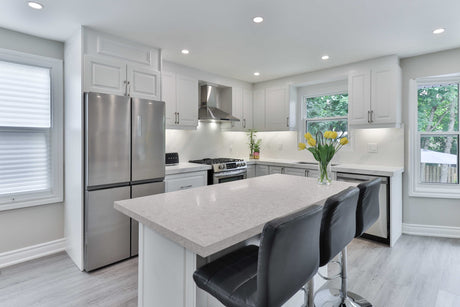
One of the most prominent trends in New England kitchen design is the use of coastal white cabinetry. This aesthetic draws inspiration from the region's maritime heritage and the timeless appeal of seaside cottages that dot the New England coastline. Coastal white cabinets represent more than just a color choice; they embody a philosophy of light, airy spaces that feel both welcoming and sophisticated.
Why Coastal Whites Dominate New England Kitchens
The popularity of coastal white cabinetry in New England homes stems from several factors. First and foremost, these cabinets create an immediate sense of brightness and openness in the kitchen. In a region where winters can be long and gray, the reflective quality of white cabinetry helps maximize natural light and create spaces that feel larger and more inviting. This is particularly important in older New England homes, where kitchens may be smaller and darker than their modern counterparts.
Beyond the practical benefits of light reflection, coastal white cabinets evoke a sense of cleanliness, purity, and timelessness. They serve as a neutral backdrop that allows other design elements—such as countertops, backsplashes, and hardware—to take center stage. This versatility makes white cabinetry an excellent choice for homeowners who want to create a kitchen that will remain stylish for years to come, regardless of shifting design trends.
Variations in White Cabinet Finishes
Not all whites are created equal, and savvy New England homeowners understand that the specific shade and finish of white cabinetry can dramatically impact the overall aesthetic of their kitchen. Some prefer a crisp, pure white that evokes a clean, contemporary feel, while others opt for warmer whites with subtle undertones of cream, ivory, or even pale gray. These warmer whites can feel more inviting and less sterile, making them particularly popular in traditional New England homes where a softer aesthetic is desired.
The finish of white cabinetry also plays a crucial role in determining its overall appearance and performance. High-gloss finishes create a more modern, reflective surface that can make a kitchen feel particularly bright and contemporary. Semi-gloss finishes offer a middle ground, providing some reflectivity while maintaining a more subtle appearance. Matte finishes, on the other hand, create a softer, more understated look that appeals to homeowners seeking a more traditional or farmhouse aesthetic.
Pairing Coastal Whites with Complementary Elements
The success of coastal white cabinetry in New England kitchens often depends on how well it's paired with complementary design elements. Many homeowners choose to combine white cabinets with natural wood accents, such as open shelving made from reclaimed barn wood or floating shelves crafted from locally sourced timber. These natural elements add warmth and texture to the space, preventing the all-white aesthetic from feeling too cold or clinical.
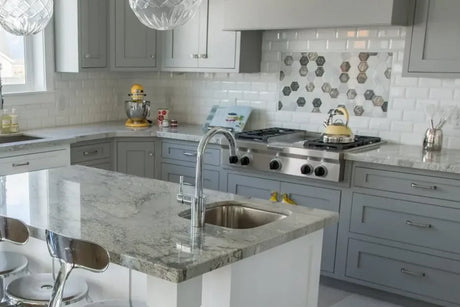
Countertop selection is another critical consideration when working with coastal white cabinetry. Quartz countertops with subtle gray or blue veining can echo the colors of the New England coast, while marble or granite with warm undertones can add sophistication and visual interest. Many homeowners also choose to incorporate a kitchen island with a contrasting countertop material, creating a focal point that draws the eye and adds depth to the overall design.
The Timeless Elegance of Shaker Style Doors
While coastal white cabinetry represents one major trend in New England kitchen design, the style of the cabinet doors themselves is equally important. The Shaker door style has experienced a remarkable resurgence in popularity, and for good reason. This classic design approach, rooted in the minimalist philosophy of the Shaker religious movement, offers a perfect balance between simplicity and sophistication that resonates deeply with New England sensibilities.
Understanding Shaker Cabinet Design
Shaker cabinet doors are characterized by their clean lines, recessed panels, and understated elegance. Unlike ornate, heavily decorated cabinet styles, Shaker doors feature a simple frame-and-panel construction with minimal embellishment. This straightforward design approach creates a sense of order and harmony that appeals to homeowners who appreciate functional beauty and timeless design principles.
The beauty of Shaker cabinetry lies in its versatility. These doors work equally well in traditional, contemporary, and transitional kitchen designs. In a traditional New England home, Shaker cabinets can honor the home's architectural heritage while providing modern functionality. In a more contemporary setting, the same clean lines and minimalist aesthetic create a sophisticated, uncluttered look that feels fresh and current.
Why Shaker Doors Remain Relevant
The enduring popularity of Shaker cabinet doors in New England homes can be attributed to several factors. First, the style is inherently timeless. Unlike trendy cabinet designs that may feel dated within a few years, Shaker doors have maintained their appeal for decades and show no signs of falling out of favor. This timelessness makes them an excellent investment for homeowners who want their kitchen to remain stylish and relevant for years to come.
Second, Shaker doors offer exceptional versatility in terms of color and finish options. While they're often associated with white or natural wood finishes, Shaker doors look equally stunning in deeper colors such as navy blue, forest green, or charcoal gray. This versatility allows homeowners to express their personal style while maintaining the classic elegance that makes Shaker design so appealing.
Third, the simplicity of Shaker design means that the focus remains on the quality of materials and craftsmanship. When you choose Shaker cabinetry, you're investing in well-constructed doors that will withstand years of daily use. The clean lines and minimal ornamentation also make these cabinets easier to clean and maintain, a practical consideration that appeals to busy homeowners.
Incorporating Shaker Doors into Modern Kitchens
Contemporary New England homeowners are finding creative ways to incorporate Shaker cabinet doors into modern kitchen designs. One popular approach is to combine Shaker doors with modern hardware, such as sleek stainless steel handles or minimalist bar pulls. This juxtaposition of classic and contemporary elements creates a kitchen that feels both timeless and current.
Another trend involves mixing Shaker cabinetry with other design elements that add visual interest and personality to the space. For example, some homeowners are pairing Shaker doors with open shelving, glass-front cabinets, or even a mix of cabinet styles. This eclectic approach allows for greater creativity while maintaining the fundamental appeal of Shaker design.
Natural Textures and Materials in Kitchen Design
Beyond color and door style, New England homeowners are increasingly drawn to kitchen designs that incorporate natural textures and materials. This trend reflects a broader movement toward biophilic design—the idea that humans have an innate connection to nature and that incorporating natural elements into our living spaces enhances our well-being and sense of connection to the world around us.
The Rise of Natural Wood Cabinetry
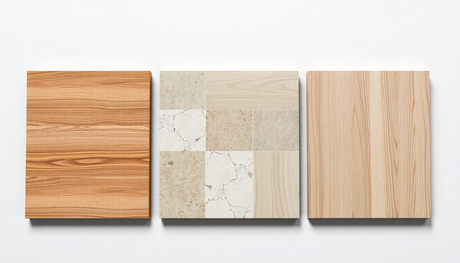
While coastal white cabinetry remains popular, there's been a notable increase in the use of natural wood cabinets in New England kitchens. These cabinets celebrate the beauty of wood grain, knots, and natural color variations, creating a warm, organic aesthetic that feels grounded and authentic. Popular wood choices include oak, maple, cherry, and walnut, each offering its own unique character and visual appeal.
Natural wood cabinetry is particularly popular in farmhouse and rustic-inspired kitchen designs, which have become increasingly prevalent in New England homes. These kitchens often feature wood cabinets with a slightly distressed or hand-finished appearance, creating a sense of history and character. The warmth of natural wood provides a beautiful contrast to stainless steel appliances and modern fixtures, creating a kitchen that feels both timeless and contemporary.
Incorporating Stone and Textured Materials
Beyond cabinetry, New England homeowners are embracing natural stone and other textured materials throughout their kitchens. Granite and marble countertops with visible veining and natural color variations are increasingly popular choices, as they add visual interest and a sense of luxury to the space. Backsplashes made from natural stone, subway tiles with subtle texture, or even reclaimed brick can add depth and character to a kitchen design.
Flooring is another area where natural textures are making an impact. Many New England homeowners are choosing natural stone floors, such as slate or limestone, which develop a beautiful patina over time. Others are opting for wide-plank hardwood floors that showcase the natural grain and character of the wood. These natural flooring choices create a sense of continuity throughout the kitchen and connect the space to the natural world.
Bringing Nature Indoors with Plants and Natural Light
The incorporation of natural textures and materials extends beyond the permanent fixtures and finishes in a kitchen. Many New England homeowners are also bringing living plants into their kitchens, using windowsill herb gardens, hanging planters, or even living walls to add greenery and vitality to the space. These living elements not only add visual interest but also provide practical benefits, such as fresh herbs for cooking.
Natural light is another crucial element in creating a kitchen that feels connected to nature. Large windows, skylights, and glass doors allow sunlight to flood the kitchen throughout the day, creating a bright, welcoming space that feels open to the outdoors. In New England, where seasonal changes are dramatic and beautiful, the ability to observe these changes from the kitchen window adds an extra dimension to the cooking and dining experience.
Hardware and Fixtures: The Details That Matter
While cabinetry forms the foundation of kitchen design, the hardware and fixtures chosen to complement those cabinets play an equally important role in determining the overall aesthetic and functionality of the space. In recent years, New England homeowners have become increasingly sophisticated in their approach to selecting hardware and fixtures that enhance their kitchen design.
Contemporary Hardware Trends
Modern kitchen hardware has evolved significantly, offering homeowners a wide range of options to express their personal style. Minimalist bar pulls and handles have become increasingly popular, particularly in contemporary and transitional kitchen designs. These sleek, understated hardware options allow the beauty of the cabinetry itself to take center stage while providing a subtle nod to modern design sensibilities.
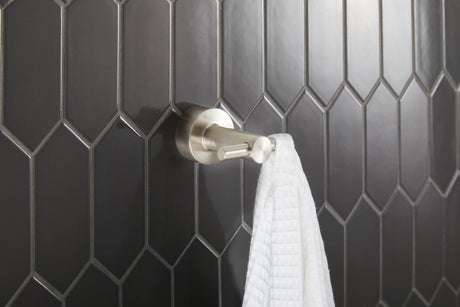
Brushed nickel and matte black finishes have largely replaced the shiny chrome and brass finishes that dominated kitchens in previous decades. These more subdued finishes create a sophisticated, contemporary look that complements both traditional and modern kitchen designs. Many homeowners are also experimenting with mixed metal finishes, combining brushed nickel hardware with brass accents or copper fixtures, creating a more eclectic and personalized aesthetic.
Lighting as a Design Element
Lighting has become increasingly important in contemporary kitchen design, and New England homeowners are investing in fixtures that serve both functional and aesthetic purposes. Pendant lights suspended over kitchen islands have become a signature element in modern kitchen design, and the variety of styles available allows homeowners to choose fixtures that complement their overall design aesthetic.
Recessed lighting provides practical illumination for food preparation areas, while under-cabinet lighting adds both functionality and ambiance to the kitchen. Many homeowners are also choosing to incorporate dimmer switches, allowing them to adjust the lighting to suit different moods and activities. This attention to lighting design creates a kitchen that's not only beautiful during the day but also inviting and functional in the evening.
Faucet and Sink Selection
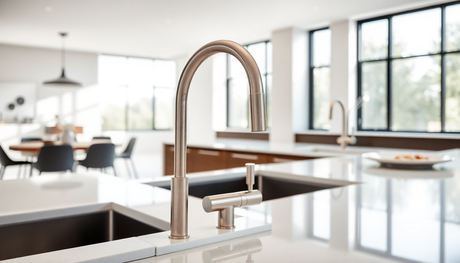
The kitchen faucet and sink are among the most-used fixtures in the home, and their selection can significantly impact both the functionality and aesthetic of the kitchen. Modern faucets with pull-down sprayers and touchless activation offer practical benefits that appeal to busy homeowners, while their sleek designs complement contemporary kitchen aesthetics.
Sink selection has also evolved, with homeowners choosing from a variety of materials and styles. Stainless steel sinks remain popular for their durability and contemporary appearance, while farmhouse-style apron sinks have become increasingly trendy, particularly in rustic and cottage-inspired kitchen designs. Some homeowners are even choosing to incorporate multiple sinks or specialized sink configurations to enhance the functionality of their kitchen workspace.
The Importance of Functionality and Storage
While aesthetics are certainly important in kitchen design, New England homeowners are increasingly recognizing that a beautiful kitchen must also be highly functional. This has led to a greater emphasis on smart storage solutions, efficient workflow design, and the incorporation of features that make daily cooking and meal preparation easier and more enjoyable.
Maximizing Storage Space
In many New England homes, particularly older colonial and Victorian-era houses, kitchen space can be limited. This has led homeowners and designers to become increasingly creative in finding ways to maximize storage without sacrificing style. Tall cabinets that extend to the ceiling make use of vertical space that might otherwise go unused. Deep drawers with dividers and organizers help keep utensils, linens, and other kitchen essentials neatly arranged and easily accessible.
Open shelving has become a popular design element in New England kitchens, serving both functional and aesthetic purposes. These shelves provide easy access to frequently used items while also allowing homeowners to display attractive dishware, cookbooks, and decorative objects. However, successful open shelving requires careful curation and organization, as items on display are constantly visible to anyone in the kitchen.
Creating Efficient Workflow
The classic kitchen work triangle—the relationship between the sink, stove, and refrigerator—remains a fundamental principle in kitchen design. However, modern kitchens often incorporate multiple work zones, with different areas dedicated to specific tasks such as food preparation, cooking, and cleanup. New England homeowners are increasingly investing in kitchen islands that serve as additional work surfaces and provide storage underneath.
The placement of appliances, the height of countertops, and the width of walkways all contribute to the overall functionality of a kitchen. Many homeowners are working with professional designers to ensure that their kitchen layout supports their specific cooking style and lifestyle needs. This thoughtful approach to kitchen planning results in spaces that are not only beautiful but also a joy to work in on a daily basis.
Incorporating Modern Appliances
Modern kitchen appliances have become increasingly sophisticated, offering features that enhance both functionality and efficiency. Energy-efficient refrigerators, convection ovens, and induction cooktops are becoming standard in contemporary New England kitchens. Many homeowners are also choosing to incorporate specialty appliances, such as wine coolers, warming drawers, or professional-grade ranges, that reflect their passion for cooking and entertaining.
The integration of appliances into the overall kitchen design has become increasingly important. Stainless steel appliances remain popular for their contemporary appearance and durability, while some homeowners are choosing panel-ready appliances that can be customized to match their cabinetry, creating a more seamless, integrated look.
Color Palettes and Design Cohesion
While coastal white cabinetry and natural wood finishes dominate New England kitchen design, the overall color palette of a kitchen plays a crucial role in determining its aesthetic impact. Successful kitchen designs typically feature a carefully considered color scheme that creates visual harmony while allowing for personal expression and style.
Neutral Foundations with Accent Colors
Many New England homeowners are choosing to create neutral foundations with their cabinetry and countertops, then introducing color through accent walls, backsplashes, or decorative accessories. Soft blues and greens, inspired by the New England coast and landscape, are particularly popular accent colors. These colors can be introduced through a painted accent wall, a colorful backsplash, or even through the selection of bar stools or other furniture pieces.
Warm neutrals, such as beige, taupe, and soft gray, provide a sophisticated backdrop that allows other design elements to shine. These colors work particularly well in traditional New England homes, where they complement the architectural details and period features that give these homes their character.
Bold Color Choices
While neutral palettes remain dominant, some adventurous New England homeowners are embracing bolder color choices in their kitchen designs. Deep navy blue cabinetry has become increasingly popular, particularly in coastal-inspired kitchens where it evokes the colors of the ocean. Forest green and charcoal gray are also gaining traction, offering a sophisticated alternative to traditional white or natural wood cabinetry.
These bold colors work best when paired with neutral countertops and backsplashes, allowing the cabinetry to serve as the focal point of the kitchen. Lighting design becomes particularly important in kitchens with darker cabinetry, as proper illumination ensures that the space remains bright and welcoming.
Sustainability and Eco-Friendly Kitchen Design
As environmental consciousness continues to grow, many New England homeowners are seeking ways to make their kitchen renovations more sustainable and eco-friendly. This trend reflects a broader movement toward responsible consumption and a desire to minimize environmental impact.