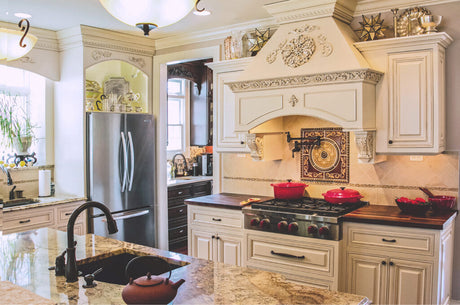
The kitchen has long been considered the heart of the home, and in recent years, the design trends surrounding this essential space have undergone a significant transformation. One of the most notable shifts in contemporary kitchen design is the resurgence of warm wood cabinets, a trend that combines timeless elegance with modern functionality. At PoshHaus in Keene, NH, we've witnessed firsthand how homeowners are increasingly drawn to the warmth and character that natural wood brings to their culinary spaces. This comprehensive guide explores the comeback of warm wood cabinets, the specific trends driving this movement, and how you can incorporate these beautiful elements into your own kitchen renovation.
The Resurgence of Warm Wood in Modern Kitchen Design
For decades, the kitchen design world seemed to favor sleek, minimalist aesthetics dominated by white cabinetry, stainless steel appliances, and cool-toned finishes. While these contemporary styles certainly have their place in modern homes, a noticeable shift has occurred over the past few years. Homeowners and designers alike are rediscovering the timeless appeal of warm wood cabinets, recognizing that natural materials can coexist beautifully with modern design principles.
This resurgence isn't simply a nostalgic return to outdated styles. Rather, it represents a sophisticated evolution in how we approach kitchen design. Today's warm wood cabinets are being paired with contemporary hardware, innovative storage solutions, and state-of-the-art appliances to create spaces that feel both inviting and thoroughly modern. The trend reflects a broader cultural movement toward sustainability, authenticity, and creating homes that feel genuinely lived-in rather than sterile showrooms.
Why Warm Wood is Winning Hearts
The appeal of warm wood cabinets extends far beyond mere aesthetics. There are several compelling reasons why this trend has gained such momentum in the design community and among homeowners seeking to update their kitchens.
First and foremost, warm wood creates an immediate sense of warmth and hospitality in the kitchen. Unlike cooler tones that can feel clinical or impersonal, natural wood finishes evoke feelings of comfort and belonging. This psychological aspect of design is increasingly recognized as crucial to creating spaces where families want to gather and spend time together.
Additionally, warm wood cabinets offer exceptional versatility. Whether your home features a traditional, transitional, or contemporary design aesthetic, the right wood species and finish can complement virtually any style. This adaptability makes warm wood cabinets an excellent investment for homeowners who want their kitchens to feel timeless rather than trendy.
From a practical standpoint, wood cabinets have proven their durability over centuries of use. Quality wood construction can last for generations, developing a beautiful patina over time that only adds to its character. This longevity makes warm wood cabinets not just a beautiful choice, but an economical one as well.
Walnut: The Premium Choice for Sophisticated Kitchens
Among the various wood species experiencing renewed popularity, walnut stands out as a particularly compelling choice for modern kitchen design. This rich, sophisticated wood offers a depth of color and character that few other materials can match.
The Distinctive Beauty of Walnut
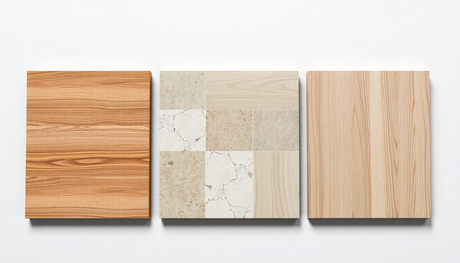
Walnut wood is renowned for its deep, chocolate-brown tones that can range from lighter tan hues to nearly black, depending on the specific piece and how it's finished. This natural color variation creates visual interest and movement within the cabinetry, preventing the kitchen from feeling monotonous or flat. The grain patterns in walnut are often dramatic and distinctive, with swirling lines that add an artistic quality to each cabinet door.
What makes walnut particularly appealing for contemporary kitchens is how it bridges the gap between traditional and modern design. The wood's inherent sophistication lends itself well to minimalist hardware and clean-lined cabinet designs, while its warmth prevents the overall aesthetic from feeling cold or impersonal. This balance is precisely what many homeowners are seeking in their kitchen renovations.
Durability and Maintenance
Walnut is a hardwood, which means it's naturally resistant to denting and scratching compared to softer wood species. This durability makes it an excellent choice for kitchen cabinets that will see daily use and the inevitable bumps and spills that come with an active household. While no wood is completely immune to damage, walnut's density provides superior protection.
Maintaining walnut cabinets is relatively straightforward. Regular dusting with a soft, dry cloth keeps the wood looking its best. For deeper cleaning, a slightly damp cloth can be used, followed immediately by drying with a clean cloth to prevent water damage. Periodic application of wood conditioner or furniture polish can help maintain the wood's luster and protect the finish.
Walnut in Various Kitchen Styles
The versatility of walnut becomes apparent when considering how it works across different design styles. In a contemporary kitchen, walnut cabinets with flat-panel doors and minimalist hardware create a sophisticated, gallery-like aesthetic. The wood's natural beauty serves as the focal point, requiring minimal additional ornamentation.
In transitional kitchens, walnut pairs beautifully with elements like marble countertops, brass or bronze hardware, and a mix of open and closed storage. This combination creates a space that feels both timeless and current, honoring traditional design principles while embracing modern functionality.
Even in more traditional or farmhouse-style kitchens, walnut can work wonderfully, particularly when paired with appropriate hardware and complementary materials. The key is ensuring that the overall design remains cohesive and intentional.
Natural Oak: The Timeless Classic Returns
While walnut represents the premium end of the warm wood spectrum, natural oak has experienced its own remarkable comeback. Once considered somewhat dated, particularly the honey-toned oak that dominated kitchens in the 1990s and early 2000s, oak is now being appreciated for its authentic character and versatility.
The Evolution of Oak in Modern Design
The resurgence of oak in contemporary kitchens represents a shift in how designers and homeowners view this classic wood species. Rather than trying to hide oak's distinctive grain pattern or golden undertones, modern design embraces these characteristics as assets rather than liabilities.
Contemporary oak cabinets often feature more subtle finishes than their predecessors, with stains that enhance rather than obscure the wood's natural grain. Lighter finishes that showcase the wood's pale golden tones are particularly popular, creating a bright, airy feel that works well in kitchens of various sizes.
Oak's Natural Grain and Character
One of oak's most distinctive features is its pronounced grain pattern. This grain creates visual texture and movement that can make a kitchen feel more dynamic and interesting. In modern design, this characteristic is celebrated rather than minimized, with cabinet designs that showcase the wood's natural beauty.
The grain pattern in oak also means that no two cabinet doors are exactly alike, adding an element of authenticity and uniqueness to the kitchen. This individuality appeals to homeowners who want their spaces to feel personal and distinctive rather than mass-produced.
Pairing Oak with Contemporary Elements
The key to successfully incorporating natural oak into a modern kitchen is pairing it with contemporary design elements that balance the wood's traditional associations. Clean-lined cabinet designs, modern hardware in finishes like matte black or brushed nickel, and sleek countertop materials can all help create a kitchen that feels current while celebrating the beauty of natural oak.
Lighting also plays a crucial role in how oak cabinets are perceived in a modern kitchen. Contemporary pendant lights, under-cabinet lighting, and carefully designed task lighting can all enhance the wood's natural beauty while creating a sophisticated, well-lit workspace.
The Modern Kitchen Aesthetic: Blending Warm Wood with Contemporary Design
The true magic of the warm wood cabinet trend lies in how these natural materials are being integrated into thoroughly modern kitchen designs. This fusion creates spaces that feel both timeless and contemporary, comfortable and sophisticated.
Hardware and Fixtures
One of the most effective ways to modernize warm wood cabinets is through the selection of hardware and fixtures. Contemporary hardware in finishes like matte black, brushed brass, or stainless steel can provide a striking contrast to warm wood, creating visual interest and preventing the kitchen from feeling too traditional.
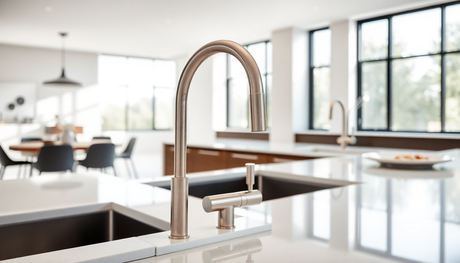
Modern faucets with clean lines and innovative features pair beautifully with warm wood cabinetry. The contrast between the wood's organic warmth and the metal's cool sophistication creates a balanced, intentional aesthetic.
Countertop Materials
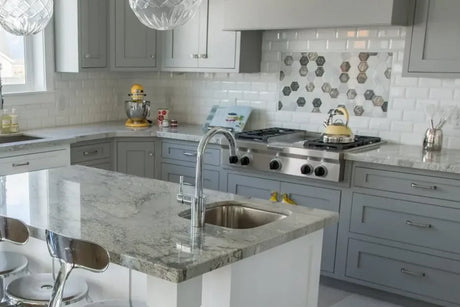
The choice of countertop material significantly impacts how warm wood cabinets are perceived in a modern kitchen. Quartz countertops with subtle patterns or solid colors provide a contemporary feel while complementing warm wood beautifully. Marble, with its timeless elegance and veining, creates a sophisticated pairing with walnut or oak cabinets.
Concrete countertops, with their industrial aesthetic, can create an interesting contrast with warm wood, resulting in a kitchen that feels both rustic and modern. This juxtaposition appeals to many homeowners seeking a unique, personalized space.
Backsplash Design
The backsplash offers an excellent opportunity to introduce contemporary elements that balance warm wood cabinetry. Subway tile in white or neutral tones provides a clean, modern backdrop. Geometric tile patterns, metallic accents, or even a simple painted wall can all work well with warm wood cabinets, depending on the overall design vision.
Some contemporary kitchens feature minimal or no backsplash, allowing the warm wood cabinets to take center stage. This approach works particularly well in kitchens with open shelving or where the wall space is limited.
Flooring Choices
Flooring is another crucial element in creating a cohesive modern kitchen with warm wood cabinets. Polished concrete, large-format tile, or even light-colored wood flooring can all complement warm wood cabinetry beautifully. The key is ensuring that the flooring doesn't compete with the cabinets for visual attention but rather supports and enhances the overall design.
Storage Solutions and Functionality
Beyond aesthetics, the resurgence of warm wood cabinets is also driven by innovations in storage solutions and kitchen functionality. Modern warm wood cabinets often incorporate features that were unavailable in traditional designs, making them both beautiful and highly practical.
Innovative Storage Systems
Contemporary kitchen design emphasizes maximizing storage efficiency and accessibility. Warm wood cabinets can be outfitted with pull-out drawers, soft-close hinges, and interior organizers that make the most of every cubic inch. These functional elements don't detract from the wood's natural beauty but rather enhance the overall user experience.
Drawer dividers, spice racks, and specialized storage for specific items like baking sheets or cutting boards can all be integrated seamlessly into warm wood cabinetry. These solutions make the kitchen more efficient while maintaining the aesthetic appeal of the natural wood.
Open Shelving Integration
Many modern kitchens featuring warm wood cabinets incorporate open shelving as a design element. This approach allows homeowners to display beautiful dishware, cookbooks, or decorative items while maintaining the warmth and character of natural wood. Open shelving also creates visual lightness in the kitchen, preventing it from feeling too heavy or enclosed.
The key to successful open shelving is careful curation of what's displayed. Items should be chosen for both functionality and visual appeal, creating a curated look that enhances rather than detracts from the overall design.
Island Design and Functionality
Kitchen islands have become increasingly important in modern kitchen design, and warm wood cabinetry works beautifully in this application. A warm wood island can serve as a visual anchor in the kitchen while providing additional storage and workspace. Pairing the island with a contrasting countertop material or a different wood finish can create visual interest and define the space.
Islands with integrated seating, storage for frequently used items, and even built-in appliances can all be crafted from warm wood, creating a functional and beautiful focal point in the kitchen.
Lighting: Showcasing the Beauty of Warm Wood
Proper lighting is essential for showcasing the natural beauty of warm wood cabinets. The right lighting design can enhance the wood's color, highlight its grain patterns, and create an inviting atmosphere in the kitchen.
Under-Cabinet Lighting
Under-cabinet lighting serves both functional and aesthetic purposes. Task lighting under cabinets illuminates the countertop workspace, making food preparation safer and more efficient. Simultaneously, this lighting can be directed to showcase the beauty of the cabinets themselves, highlighting the wood's grain and color.
LED under-cabinet lighting is particularly popular in modern kitchens, offering energy efficiency, longevity, and the ability to adjust color temperature. Warm white LED lighting complements warm wood beautifully, enhancing its natural tones without creating an overly yellow or orange cast.
Pendant Lighting
Pendant lights above kitchen islands or countertops provide both ambient and task lighting while serving as design elements. Contemporary pendant designs in materials like metal, glass, or even wood can complement warm wood cabinetry beautifully. The contrast between the pendant's material and the warm wood creates visual interest and sophistication.
Overhead Lighting
General overhead lighting should be carefully planned to avoid creating harsh shadows on the cabinetry. Recessed lighting, flush-mount fixtures, or even a statement chandelier can all work well in kitchens with warm wood cabinets, depending on the overall design aesthetic.
Sustainability and Environmental Considerations
The resurgence of warm wood cabinets is also connected to growing environmental consciousness among homeowners. Natural wood, when sourced responsibly, represents a renewable and sustainable building material.
Responsible Sourcing
Many homeowners are increasingly interested in knowing where their materials come from and how they're harvested. Responsibly sourced wood from managed forests represents a sustainable choice that doesn't compromise environmental integrity. Certifications like FSC (Forest Stewardship Council) can help ensure that wood products meet rigorous environmental standards.
Longevity and Lifecycle
The durability of quality wood cabinets means they can last for decades, reducing the need for replacement and the associated environmental impact. This longevity makes warm wood cabinets an environmentally responsible choice compared to materials that require more frequent replacement.
Natural Finishes
Many contemporary warm wood cabinets are finished with low-VOC (volatile organic compound) stains and sealers, reducing environmental impact and improving indoor air quality. These finishes provide protection and beauty while minimizing harmful emissions.
Design Inspiration: Real-World Applications
Understanding how warm wood cabinets work in actual kitchens can provide valuable inspiration for your own renovation project.
Contemporary Minimalist Kitchen
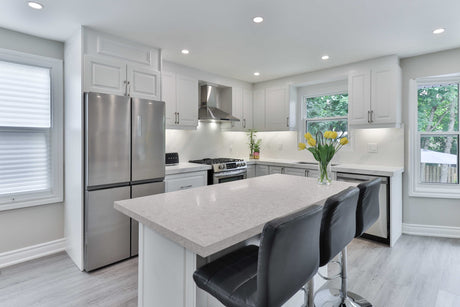
A contemporary kitchen featuring walnut cabinets with flat-panel doors and minimal hardware creates a gallery-like aesthetic. Paired with white quartz countertops, stainless steel appliances, and simple subway tile backsplash, this design celebrates the wood's natural beauty without competing elements. The result is a sophisticated, timeless space that feels both modern and inviting.
Transitional Family Kitchen
A transitional kitchen might feature natural oak cabinets in a lighter finish, paired with marble countertops and brass hardware. Open shelving displays beautiful dishware, while a large island provides gathering space for the family. This design balances traditional warmth with contemporary functionality, creating a space that works for both everyday living and entertaining.
Modern Farmhouse Kitchen
A modern farmhouse kitchen could incorporate walnut cabinetry with shaker-style doors, paired with a large apron-front sink, vintage-inspired hardware, and a mix of open and closed storage. Exposed wood beams or a wood ceiling would echo the cabinet material, while modern appliances and lighting ensure the space feels current and functional.
Scandinavian-Inspired Kitchen
A Scandinavian-inspired kitchen might feature light natural oak cabinets with clean lines, paired with white subway tile, light wood flooring, and minimal hardware. This design emphasizes simplicity, functionality, and the beauty of natural materials, creating a bright, airy space that feels both warm and contemporary.
The Investment Value of Warm Wood Cabinets
Beyond their aesthetic and functional benefits, warm wood cabinets represent a solid investment in your home's value and longevity.
Return on Investment
Kitchen renovations consistently rank among the home improvements with the highest return on investment. Quality cabinetry, including warm wood options, is a significant component of this value. Potential buyers recognize and appreciate the quality and beauty of natural wood cabinets, making them an attractive feature in a home listing.
Timeless Appeal
Unlike trendy design elements that may feel dated within a few years, warm wood cabinets have demonstrated staying power. Their timeless appeal means your kitchen renovation will remain attractive and functional for decades, protecting your investment.
Durability and Longevity
Quality wood cabinets can last for generations with proper care and maintenance. This durability means you won't need to replace your cabinetry as frequently as you might with lower-quality materials, ultimately saving money over time.
Choosing the Right Wood Species for Your Kitchen
Selecting the appropriate wood species for your warm wood cabinets requires considering several factors, including your design aesthetic, lifestyle, and budget.
Walnut: Premium Elegance
Walnut is ideal for homeowners seeking a premium, sophisticated aesthetic. Its deep tones and dramatic grain patterns make a statement, and it works beautifully in contemporary, transitional, and even traditional kitchens. Walnut is more expensive than some alternatives but offers unparalleled beauty and durability.
Oak: Classic Versatility
Natural oak offers excellent versatility and works well in various design styles. It's generally more affordable than walnut while still providing authentic, beautiful wood cabinetry. Oak's pronounced grain pattern adds character and visual interest to the kitchen.
Cherry: Warm Richness
Cherry wood offers warm, rich tones that deepen with age