Building a home is one of the most significant investments and decisions you'll make in your lifetime. When you're considering constructing a new home in Cheshire County, New Hampshire, you're choosing to build in one of New England's most beautiful and desirable regions. This comprehensive guide will walk you through everything you need to know about building homes in Cheshire County, from understanding permit requirements to navigating the unique challenges and opportunities that come with rural property development.
At PoshHaus, we understand that building a home involves far more than just construction. It's about creating a space that reflects your lifestyle, meets your family's needs, and stands the test of time. Whether you're planning to build your forever home or an investment property, this guide will provide you with the essential information you need to make informed decisions every step of the way.
Understanding Cheshire County's Building Landscape
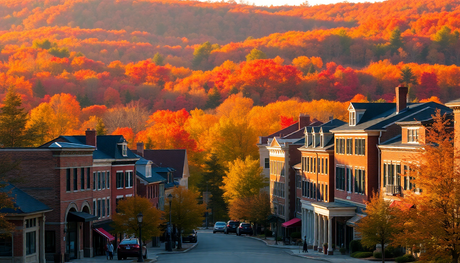
Cheshire County, located in southwestern New Hampshire, encompasses several charming towns including Keene, Jaffrey, Peterborough, and Swanzey. This region is known for its picturesque landscapes, strong sense of community, and quality of life. The area has experienced steady growth over the past decade, with more families and professionals choosing to build homes here rather than purchasing existing properties.
The building landscape in Cheshire County is diverse. You'll find everything from rural properties with acres of land to smaller residential lots in established neighborhoods. Understanding this landscape is crucial because it directly impacts your building timeline, costs, and the specific challenges you'll face during construction.
One of the primary reasons people choose to build in Cheshire County is the availability of land. Unlike more densely populated areas of New Hampshire, Cheshire County still offers reasonable land prices and the opportunity to build on larger properties. This means you can have the space you've always wanted, whether that's a large yard for your family, room for a workshop, or land for agricultural pursuits.
The Importance of Proper Permit Considerations
Building permits are not just bureaucratic hurdles—they're essential safeguards that ensure your home is built safely, meets current building codes, and protects your investment. In Cheshire County, permit requirements vary slightly by town, but all municipalities follow New Hampshire's building codes and regulations.
Understanding Local Building Codes
New Hampshire follows the International Building Code (IBC), which is updated every three years. However, individual towns in Cheshire County may adopt these codes with modifications or delays. Before you purchase land or finalize your building plans, it's critical to understand which version of the building code your specific town uses. This can affect everything from foundation requirements to energy efficiency standards.
Building codes exist for good reasons. They ensure that your home will withstand New Hampshire's harsh winters, that electrical systems are safe, that plumbing meets health standards, and that structural integrity will protect your family for decades to come. When you work with a reputable builder or designer, they'll be familiar with these codes and ensure your home complies.
The Permit Application Process
The permit application process in Cheshire County typically begins with submitting detailed plans to your town's building department. These plans must include site plans, floor plans, elevation drawings, and specifications for materials and systems. The building inspector will review these plans to ensure they comply with local zoning ordinances and building codes.
This process usually takes between two to six weeks, depending on the complexity of your project and the town's workload. Some towns are more efficient than others, so it's worth asking about typical timelines when you're considering a specific location. Delays in permitting can push back your entire construction schedule, so understanding this timeline is important for planning purposes.
Zoning and Land Use Regulations
Zoning regulations in Cheshire County determine what you can build on your property. These regulations specify minimum lot sizes, setback requirements (how far your home must be from property lines), height restrictions, and whether you can operate a home business or have livestock. Some properties are zoned for residential use only, while others allow agricultural or mixed-use development.
Before you fall in love with a piece of land, have it zoned checked. What you envision building might not be permitted on that particular property. For example, if you want to build a large home with a separate guest house, you need to verify that your zoning allows for multiple structures. If you're planning to operate a home-based business, you need to confirm that's permitted in your zone.
Septic System and Well Permits
In rural Cheshire County, most properties are not connected to municipal water and sewer systems. This means you'll need permits for both a well and a septic system. These are separate from your building permit but equally important.
Septic system permits require a soil evaluation to determine if your property can support a septic system and where it should be located. This evaluation, called a perc test or percolation test, measures how quickly water drains through your soil. If your soil doesn't drain well enough, you may need an alternative septic system, which is more expensive and complex.
Well permits ensure that your water source is safe and won't contaminate neighboring properties or groundwater. The well must be located a specific distance from your septic system and other potential contamination sources. These requirements exist to protect public health and the environment.
Environmental Permits and Considerations
Depending on your property's location, you may need additional environmental permits. If your property is near wetlands, you'll need a wetland permit from the Army Corps of Engineers and possibly the New Hampshire Department of Environmental Services. If your property is in a flood zone, you'll need flood insurance and may face restrictions on where you can build.
Environmental permits can add significant time and cost to your project, so it's important to identify these issues early. A good surveyor and environmental consultant can identify potential issues before you purchase the land, saving you from costly surprises later.
Rural Property Factors That Impact Your Build
Building on rural property in Cheshire County presents unique challenges and opportunities that differ significantly from building in more developed areas. Understanding these factors will help you plan realistically and avoid costly mistakes.
Access and Road Conditions
Rural properties often have long driveways or limited road access. Before you purchase land, verify that you have legal access to your property and that the road or driveway can support construction vehicles. During the building phase, heavy equipment will need to reach your site multiple times daily. If your driveway is narrow, steep, or poorly maintained, you may need to upgrade it before construction begins.
Additionally, consider year-round access. Rural roads in Cheshire County can be challenging during winter months. If your driveway isn't maintained or is particularly steep, you might face difficulties during snow and ice storms. Some rural properties require four-wheel-drive vehicles during winter, which is something to consider if you have elderly relatives visiting or if emergency services need to reach your home quickly.
Utility Infrastructure
Rural properties often lack the utility infrastructure that urban and suburban properties take for granted. You may need to arrange for electric lines to be extended to your property, which can be expensive. Some properties are served by propane rather than natural gas, which affects heating and cooking options.
Before purchasing rural property, contact the local utility companies to understand what's available and what extensions might be needed. Get quotes for any necessary utility work. These costs can be substantial and should factor into your overall budget.
Distance to Services
Rural living means you're farther from schools, shopping, medical facilities, and emergency services. While many people choose rural properties specifically for this reason, it's important to understand the implications. Emergency response times may be longer, which is why having good home safety systems and knowing basic first aid becomes more important.
Consider the distance to your children's schools, your workplace, and essential services like hospitals and grocery stores. While rural living offers peace and quiet, it also requires more planning for daily activities.
Natural Hazards and Weather Considerations
Cheshire County experiences significant winter weather, with heavy snow and ice storms common from November through March. Rural properties may be more exposed to wind and weather than properties in more developed areas. When designing your home, consider wind exposure, snow load on the roof, and drainage patterns.
Some rural properties are at higher elevation, which means colder temperatures and potentially more snow. Others are in valleys where cold air settles and frost can be a concern. Understanding your specific microclimate will help you design a home that's comfortable and efficient year-round.
Wildlife and Land Management
Rural properties often have wildlife on or near them. Depending on your location, you might encounter deer, bears, coyotes, or other animals. While most wildlife will avoid your home, it's important to design your property with wildlife in mind. This might mean installing bear-proof trash containers, fencing to protect gardens, or designing your landscaping to avoid attracting animals.
Additionally, if your property has wooded areas, you may want to consider forest management. Removing dead trees and thinning dense areas can reduce fire risk and improve the health of your forest. In New Hampshire, there are programs that can help with forest management and may even provide tax benefits.
Soil and Drainage Considerations
Rural properties vary significantly in soil composition and drainage characteristics. Before building, have a soil evaluation performed. Poor drainage can lead to wet basements, foundation problems, and septic system failures. Conversely, soil that drains too quickly might not support a traditional septic system.
Understanding your soil type also affects foundation design. Some soils require deeper foundations or special preparation. A geotechnical engineer can evaluate your soil and recommend appropriate foundation designs.
Planning Your Home Design for Rural Cheshire County
Designing a home for rural Cheshire County requires considering factors that might not be as critical in more developed areas. Your design should work with the landscape, climate, and local character while meeting your family's needs.
Architectural Style and Local Character
Cheshire County has a rich architectural heritage. Many towns have historic districts with beautiful examples of Colonial, Federal, and Victorian architecture. While you're not required to match these styles, designing a home that complements the local character can enhance your property's value and help it blend into the community.
Consider the architectural styles prevalent in your specific town. In Keene, you'll find a mix of historic and contemporary homes. In smaller towns like Jaffrey and Peterborough, traditional New England styles are more common. Working with an architect familiar with the area can help you create a home that's both modern and respectful of local traditions.
Energy Efficiency and Sustainability
Rural homes often rely on heating systems that are less efficient than municipal systems. Designing an energy-efficient home is particularly important in Cheshire County, where heating costs can be substantial during long winters.
Consider incorporating passive solar design, high-performance insulation, energy-efficient windows, and modern heating systems. Heat pump technology has improved dramatically and can provide both heating and cooling efficiently. Solar panels are increasingly popular in rural areas where roof space and southern exposure are available.
Building to modern energy codes or even exceeding them will reduce your utility bills and increase your home's comfort. Over time, the energy savings will offset the higher initial cost of efficient systems.
Water Management and Drainage
Proper water management is critical for rural homes. Design your site to direct water away from your foundation and septic system. This might involve grading, installing French drains, or creating rain gardens. Poor drainage is one of the most common causes of basement moisture and foundation problems.
Consider installing a rainwater harvesting system for irrigation or other uses. Many rural homeowners appreciate the ability to reduce their reliance on well water for outdoor uses.
Septic System Design
Your home's design must accommodate your septic system. The location of bathrooms and the kitchen affects where your septic tank and drain field must be located. Work with your septic designer and builder to ensure your home's plumbing layout is efficient and complies with all regulations.
Modern septic systems are reliable and can last 25-30 years with proper maintenance. However, they require regular pumping and care. Design your home to minimize water usage and avoid putting excessive strain on your system.
Working with Local Builders and Designers
One of the most important decisions you'll make is choosing the right builder and designer for your project. In Cheshire County, you have access to talented professionals who understand the local conditions and requirements.
Finding Qualified Professionals
Look for builders and designers with experience building in Cheshire County. They'll understand local permit requirements, building codes, and the challenges of rural construction. Ask for references and visit homes they've built. Talk to homeowners about their experience with the builder.
Check credentials and licenses. New Hampshire requires builders to be licensed, and you should verify that any builder you hire is properly licensed and insured. Ask about their experience with the specific type of home you want to build.
The Design Process
A good designer will work with you to understand your needs, preferences, and budget. They'll create designs that work with your property's topography and views. They'll also ensure your design complies with all local regulations and building codes.
The design process typically involves multiple iterations. You'll review preliminary designs, provide feedback, and work toward a final design that you're happy with. This process takes time but results in a home that truly meets your needs.
Construction Management
Once construction begins, your builder should provide regular updates and maintain a schedule. Building a home is complex, with many trades working in sequence. A good builder coordinates these trades efficiently and maintains quality standards throughout the process.
Regular site visits allow you to see progress and address any concerns early. Most builders schedule weekly or bi-weekly meetings with homeowners to discuss progress and any issues that arise.
Budgeting and Financing Your Build
Building a home requires careful financial planning. Understanding costs and securing appropriate financing are critical steps in the process.
Estimating Construction Costs
Construction costs in Cheshire County vary based on the complexity of your design, the quality of materials, and current market conditions. As of 2026, you should budget between $150 to $250 per square foot for quality construction, depending on the level of finish and systems you choose.
Rural construction may cost slightly more than suburban construction due to longer utility extensions and potentially more challenging site conditions. Get detailed estimates from builders before committing to a project.
Land Costs
Land prices in Cheshire County vary significantly based on location, size, and characteristics. Rural properties with road frontage and good building sites typically range from $20,000 to $100,000 per acre, depending on proximity to towns and other factors. Properties closer to Keene or with special features command higher prices.
Financing Options
Most people finance home construction through construction loans, which are different from traditional mortgages. Construction loans are short-term loans that disburse funds as construction progresses. Once construction is complete, you refinance into a permanent mortgage.
At PoshHaus, we can connect you with financing partners who understand construction lending. We also offer financing options for the materials and finishes you'll purchase from our showroom, including 12-month same as cash financing on approved credit.
Hidden Costs to Consider
Beyond the obvious construction costs, budget for:
- Permits and inspections
- Soil testing and environmental evaluations
- Surveying and site preparation
- Utility extensions
- Septic system installation
- Well drilling
- Landscaping and site restoration
- Contingency (typically 10-15% of construction budget for unexpected issues)
Selecting Materials and Finishes
One of the enjoyable aspects of building a new home is selecting the materials and finishes that will define your space. At PoshHaus, we offer a comprehensive selection of kitchen cabinets, countertops, flooring, lighting, appliances, and furniture to help you create your dream home.
Kitchen Design and Materials
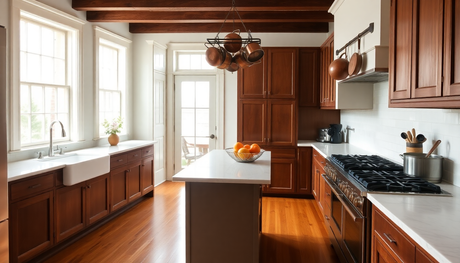
The kitchen is often the heart of the home. Modern kitchens combine functionality with style. Consider your cooking habits, storage needs, and aesthetic preferences when designing your kitchen.
Quality cabinets are an investment that will last for decades. We offer a range of cabinet styles from traditional to contemporary, in various wood species and finishes. Countertops are available in granite, quartz, laminate, and other materials, each with different characteristics regarding durability, maintenance, and cost.
Appliances should be chosen based on your cooking style and lifestyle. Energy-efficient appliances reduce utility costs and are better for the environment. Lighting is crucial in kitchens—consider both task lighting for work areas and ambient lighting for the overall space.
Bathroom Design and Fixtures
Bathrooms are personal spaces that should be both functional and relaxing. Modern bathrooms often feature spa-like elements such as large showers, soaking tubs, and heated floors.
Quality fixtures will last longer and perform better than budget options. Consider water-efficient toilets and showerheads that reduce water consumption without sacrificing performance.
Flooring Options
Flooring is a major design element that affects both aesthetics and functionality. Options include hardwood, laminate, tile, vinyl, and carpet. Each has different characteristics regarding durability, maintenance, comfort, and cost.
In Cheshire County homes, hardwood flooring is popular and adds warmth and value. However, tile is practical for bathrooms and kitchens where moisture is a concern. Basement areas might benefit from moisture-resistant options like vinyl or tile.
Lighting Design
Proper lighting enhances both the functionality and ambiance of your home. Modern lighting design typically includes three layers: ambient lighting for overall illumination, task lighting for specific activities, and accent lighting for highlighting architectural features or artwork.
LED lighting has revolutionized home lighting, offering energy efficiency and long lifespan. Smart lighting systems allow you to control brightness and color temperature, adapting to different times of day and activities.
Furniture and Built-ins
Built-in furniture and cabinetry add functionality and character to your home. Custom built-ins can maximize storage in bedrooms, create home office spaces, or add architectural interest to living areas.
Quality furniture is an investment that will serve you well for years. Consider both aesthetics and functionality when selecting pieces for your new home.