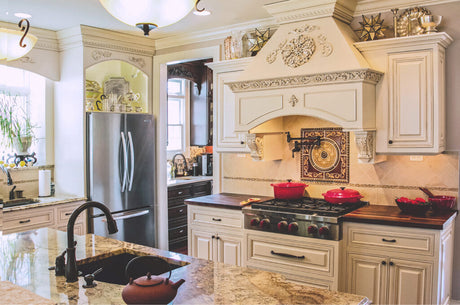
When you live in a New England home, you understand the unique charm and character that comes with older architecture, cozy layouts, and historic charm. However, many New England homeowners face a common challenge: kitchens that are smaller than modern standards. If you're struggling with a cramped kitchen space in New Hampshire or the surrounding region, you're not alone. The good news is that with thoughtful design, strategic planning, and the right products, you can transform your small kitchen into a functional, beautiful space that you'll love spending time in.
At PoshHaus in Keene, NH, we've helped countless homeowners tackle the challenge of small kitchen design. Our showroom is filled with innovative solutions, quality products, and expert advice that can help you make the most of every square inch. Whether you're working with a galley kitchen, a corner nook, or an awkwardly shaped space, this comprehensive guide will walk you through the principles and strategies that work best for small New England kitchens.
Understanding the Challenge of Small Kitchen Design in New England
New England homes have a rich history spanning centuries. Many of these charming properties were built during times when kitchens were considered utilitarian spaces, not the heart of the home. This means that countless New England homeowners are working with kitchens that are significantly smaller than what modern families expect or need.
The challenge becomes even more complex when you consider that New England kitchens often feature:
- Low ceilings that make the space feel even more confined
- Irregular layouts that don't follow modern open-concept principles
- Limited natural light due to smaller windows and older construction
- Existing structural elements that can't be easily modified
- Plumbing and electrical systems that are difficult to relocate
Rather than viewing these constraints as limitations, the most successful small kitchen designs treat them as design parameters that inspire creative solutions. The key is understanding that a small kitchen doesn't have to feel cramped, inefficient, or outdated. With the right approach, your small kitchen can become one of the most efficient and beautiful spaces in your home.
The Galley Kitchen: A Classic New England Solution
One of the most common kitchen layouts in New England homes is the galley kitchen. This narrow, corridor-like space features counters and appliances on two parallel walls, with a walkway between them. While galley kitchens might seem limiting at first glance, they're actually incredibly efficient when designed properly.
The galley kitchen layout has several inherent advantages that make it ideal for small spaces:
Efficiency and Workflow: The galley layout naturally creates what designers call the "work triangle" – the optimal relationship between the sink, stove, and refrigerator. In a galley kitchen, these three essential elements are already positioned for maximum efficiency. You can move between them with minimal steps, making meal preparation faster and less tiring.
Space Optimization: Because a galley kitchen is narrow and linear, every inch of wall space can be utilized for storage, appliances, or work surfaces. There's no wasted corner space or awkward angles that are difficult to use effectively.
Clear Workflow: The linear nature of a galley kitchen creates a clear workflow from one end to the other. This makes it easy to organize your kitchen logically, with preparation areas, cooking zones, and cleanup stations in a natural sequence.
Flexibility in Design: Despite their narrow footprint, galley kitchens offer surprising flexibility in how you can design and decorate them. You can create visual interest through color, materials, and lighting without overwhelming the space.
To make your galley kitchen work beautifully, focus on these key design principles:
Maximize Vertical Space: In a galley kitchen, you can't expand horizontally, so you must expand vertically. Install cabinets that reach the ceiling, use tall shelving units, and take advantage of wall space above counters and appliances. This vertical expansion makes the space feel larger while dramatically increasing storage capacity.
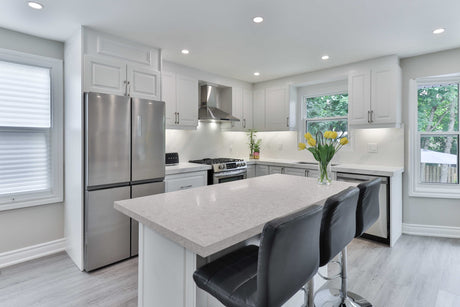
Choose the Right Color Palette: Light colors make small spaces feel larger and more open. Consider soft whites, pale grays, or warm creams for your cabinets and walls. You can add personality through accessories, backsplash tiles, and hardware without overwhelming the space.
Invest in Quality Lighting: Proper lighting is crucial in a galley kitchen. Install bright overhead lighting, task lighting under cabinets, and consider adding a small pendant light or two to create visual interest and improve functionality. Good lighting makes the space feel larger and more inviting.
Keep Countertops Clear: In a small galley kitchen, every inch of counter space is precious. Minimize countertop clutter by storing small appliances in cabinets, using vertical storage for frequently used items, and keeping only essential items visible.
Use Reflective Surfaces: Mirrors, glass cabinet doors, and glossy finishes reflect light and create the illusion of more space. Consider glass-front cabinets for some of your upper cabinets to create visual lightness and display attractive dishware or glassware.
Storage Optimization: The Key to Small Kitchen Success
Perhaps the most critical factor in making a small kitchen work is storage optimization. When you have limited square footage, every storage solution must be carefully considered and strategically placed. Poor storage planning will make even a well-designed small kitchen feel cluttered and dysfunctional.
Maximizing Cabinet Space
Your cabinets are your primary storage solution, so it's essential to use them as efficiently as possible. Here are proven strategies for optimizing cabinet storage:
Install Cabinets to the Ceiling: This is one of the most impactful changes you can make in a small kitchen. By extending your cabinets all the way to the ceiling, you gain significant additional storage without taking up any extra floor space. The upper shelves can store items you use less frequently, while lower cabinets hold everyday essentials.
Use Drawer Dividers and Organizers: Drawers can become black holes where items get lost and forgotten. Invest in quality drawer dividers, utensil organizers, and specialized inserts that keep everything in its place. This makes it easier to find what you need and maximizes the usable space in each drawer.
Install Pull-Out Shelves: Traditional fixed shelves in cabinets make it difficult to access items in the back. Pull-out shelves, also called roll-out shelves, allow you to access everything easily. This simple upgrade can make your existing cabinet space feel 30-40% more functional.
Use Vertical Dividers: For storing baking sheets, cutting boards, and serving platters, vertical dividers keep these items organized and accessible. They prevent the frustrating situation where you have to remove five items to get to the one you want.
Install Lazy Susans: Corner cabinets are notoriously difficult to use effectively. A lazy Susan or rotating carousel makes corner space accessible and functional. You can store oils, spices, canned goods, and other items that would otherwise be wasted space.
Consider Deep Drawers: In small kitchens, deep drawers are often more functional than traditional cabinets. They allow you to store more items in less vertical space and make it easier to see and access everything.
Utilizing Wall Space
When floor space is limited, walls become your most valuable real estate. Strategic use of wall space can dramatically increase your storage capacity without making the kitchen feel cramped.
Open Shelving: While open shelving requires careful curation and organization, it can make a small kitchen feel larger and more open. Display attractive dishware, glassware, and cookbooks on open shelves. Keep items organized and minimize visual clutter by grouping similar items together and using consistent containers.
Magnetic Strips: Install magnetic strips on walls or the side of the refrigerator to store knives, scissors, and other metal kitchen tools. This keeps these items accessible while freeing up drawer space.
Pegboards: A pegboard with hooks and baskets is an incredibly versatile storage solution. You can customize it to hold pots, pans, utensils, and other items. Paint it to match your kitchen design for a cohesive look.
Wall-Mounted Spice Racks: Rather than storing spices in a cabinet where they're difficult to see and access, mount a spice rack on the wall. This keeps your most-used seasonings within arm's reach and adds visual interest to your backsplash area.
Hanging Pot Racks: If you have high ceilings, a hanging pot rack can store your cookware while freeing up cabinet space. This works particularly well in galley kitchens where wall space is limited.
Appliance Selection for Small Spaces
The appliances you choose have a significant impact on how functional your small kitchen will be. In a limited space, every appliance must earn its place.
Choose Appropriately Sized Appliances: Standard full-size appliances can overwhelm a small kitchen. Consider compact or apartment-sized versions of essential appliances. A smaller refrigerator, a narrower dishwasher, or a smaller range can provide the functionality you need without consuming excessive space.
Invest in Multi-Function Appliances: Look for appliances that serve multiple purposes. A convection microwave can replace both a microwave and a small oven. An instant pot can replace a slow cooker, pressure cooker, and rice cooker. These multi-function appliances reduce the number of items you need to store.
Consider Drawer-Style Dishwashers: Traditional dishwashers are large and take up significant space. Drawer-style dishwashers are more compact and can be installed under the counter, freeing up valuable cabinet space.
Evaluate Your Actual Needs: Before purchasing any appliance, honestly assess whether you'll actually use it. That bread maker, ice cream maker, or specialty coffee machine might seem appealing, but if it will sit unused in a cabinet, it's wasting valuable space. Focus on appliances that you use regularly and that genuinely improve your cooking experience.
Design Principles for Small Kitchen Success
Beyond the practical considerations of storage and layout, there are fundamental design principles that make small kitchens feel larger, more beautiful, and more functional.
Color and Light
Color and lighting work together to create the feeling of space and openness in a small kitchen.
Light Colors Create Openness: Light colors reflect light and make spaces feel larger. Consider soft whites, pale grays, warm creams, or light beiges for your cabinets and walls. These neutral backgrounds create a sense of openness that makes the kitchen feel less confined.
Add Personality Through Accents: While your base colors should be light and neutral, you can add personality through accent colors in your backsplash, hardware, and accessories. A colorful backsplash or bold hardware can make your small kitchen feel intentional and designed, rather than bland or boring.
Maximize Natural Light: If your small kitchen has windows, make the most of them. Avoid heavy window treatments that block light. Instead, use simple curtains, shades, or shutters that can be easily opened to let in natural light. Natural light makes spaces feel larger and more inviting.
Invest in Quality Artificial Lighting: When natural light isn't available, artificial lighting becomes crucial. Install bright overhead lighting, task lighting under cabinets, and consider accent lighting to create visual interest. Proper lighting makes your small kitchen feel larger and more functional.
Use Reflective Surfaces: Mirrors, glass, and glossy finishes reflect light and create the illusion of more space. Glass-front cabinets, a mirrored backsplash, or glossy countertops can all contribute to making your small kitchen feel larger.
Materials and Finishes
The materials you choose for your countertops, backsplash, and flooring significantly impact both the functionality and the aesthetic of your small kitchen.
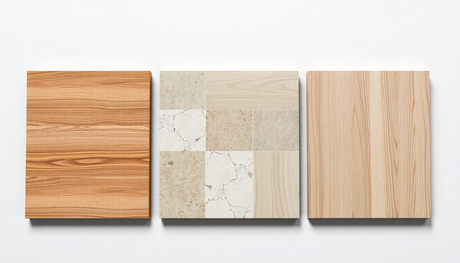
Countertops: In a small kitchen, your countertop material must be both beautiful and practical. Quartz is an excellent choice because it's durable, low-maintenance, and available in colors that can make your space feel larger. Laminate is a budget-friendly option that offers good durability. Butcher block adds warmth and character but requires more maintenance. Whatever material you choose, keep the color light to maintain the sense of openness.
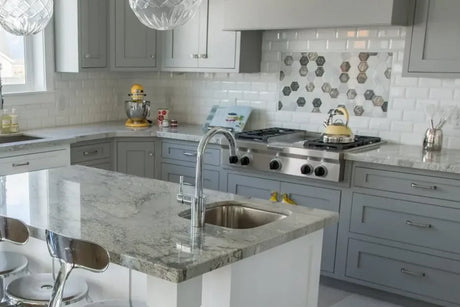
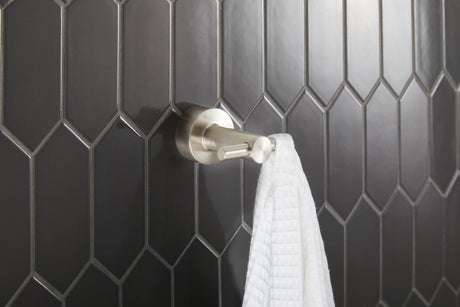
Backsplash: Your backsplash is an opportunity to add visual interest and personality to your small kitchen. Consider subway tiles in white or light gray for a classic look, or choose a patterned tile that adds visual interest without overwhelming the space. A mirrored or metallic backsplash can reflect light and make the space feel larger.
Flooring: Flooring should be durable and easy to clean, especially in a small kitchen where spills and splatters are inevitable. Light-colored tile, vinyl, or laminate flooring can make the space feel larger. Avoid dark colors that can make a small space feel more confined.
Hardware: Cabinet hardware might seem like a small detail, but it significantly impacts the overall aesthetic of your kitchen. Choose hardware that complements your design style and adds visual interest. Brushed nickel, stainless steel, or brass hardware can all work well in small kitchens.
Layout and Flow
How your kitchen is laid out directly impacts how functional it is and how it feels to work in the space.
Maintain Clear Pathways: In a small kitchen, clear pathways are essential. Avoid placing obstacles in the main walkway, and ensure that cabinet doors and appliance doors don't block access to other areas of the kitchen.
Position Appliances Strategically: Place your refrigerator, stove, and sink in positions that create an efficient work triangle. In a galley kitchen, this happens naturally, but in other small kitchen layouts, you may need to think carefully about appliance placement.
Create Zones: Even in a small kitchen, you can create distinct zones for preparation, cooking, and cleanup. This organization makes the kitchen feel more intentional and functional.
Minimize Visual Clutter: In a small space, visual clutter makes the area feel even more cramped. Keep countertops clear, store items in cabinets, and minimize the number of decorative items on display.
Countertops: Choosing the Right Surface for Your Small Kitchen
Your countertops are one of the most visible and frequently used elements in your kitchen. In a small kitchen, choosing the right countertop material is particularly important because it affects both functionality and the overall feeling of the space.
Quartz Countertops
Quartz has become increasingly popular for small kitchens, and for good reason. This engineered stone is made from crushed quartz mixed with resin, creating a non-porous, durable surface that's resistant to stains, scratches, and bacteria.
Advantages of Quartz:
- Extremely durable and long-lasting
- Non-porous, so it doesn't require sealing
- Available in a wide range of colors and patterns
- Easy to clean and maintain
- Can be made to look like natural stone or have a modern appearance
- Consistent appearance throughout the surface
Disadvantages of Quartz:
- More expensive than some alternatives
- Not heat-resistant, so you need to use trivets
- Can be damaged by extreme temperature changes
- Limited edge options compared to natural stone
For small kitchens, quartz is an excellent choice because it's durable enough to handle the wear and tear of a heavily used space, and the wide range of colors available means you can find something that makes your small kitchen feel larger and more open.
Laminate Countertops
Laminate is a budget-friendly option that has improved significantly in recent years. Modern laminates can mimic the appearance of natural stone, wood, or other materials while offering good durability and easy maintenance.
Advantages of Laminate:
- Very affordable
- Easy to install
- Wide variety of colors and patterns available
- Easy to clean and maintain
- Lightweight
Disadvantages of Laminate:
- Less durable than stone or quartz
- Can be damaged by heat, moisture, and sharp objects
- Seams can be visible
- Shorter lifespan than other materials
- Can look cheap if low-quality
Laminate is a good choice for small kitchens on a budget, particularly if you're planning to update your kitchen in the future. It offers decent durability and a wide range of design options at a fraction of the cost of premium materials.
Butcher Block Countertops
Butcher block adds warmth and character to a kitchen. This natural wood surface is beautiful and creates a welcoming atmosphere that many homeowners love.
Advantages of Butcher Block:
- Beautiful, warm appearance
- Adds character and charm to a kitchen
- Can be sanded and refinished if damaged
- Relatively affordable compared to stone
- Sustainable option if sourced responsibly
Disadvantages of Butcher Block:
- Requires regular maintenance and oiling
- Susceptible to water damage and staining
- Can warp or crack with temperature and humidity changes
- Not ideal for a heavily used kitchen
- Requires careful handling to avoid damage
Butcher block works well in small New England kitchens where you want to emphasize the home's character and charm. However, it requires more maintenance than other options and may not be ideal if you cook frequently or have a busy household.
Natural Stone Countertops
Granite and marble are classic choices that add elegance and sophistication to any kitchen. These natural materials are beautiful and durable, though they require more maintenance than engineered options.
Advantages of Natural Stone:
- Beautiful, unique appearance
- Very durable and long-lasting
- Adds value to your home
- Heat-resistant
- Timeless appeal