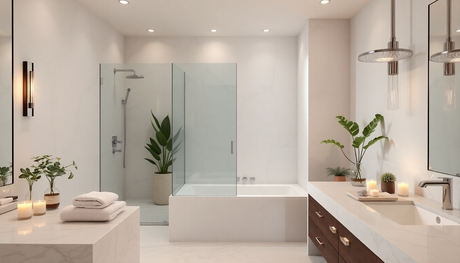
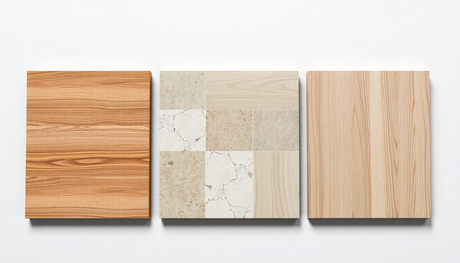
Large format tiles have revolutionized the way homeowners and designers approach interior spaces. With their expansive dimensions and seamless aesthetic appeal, tiles like the popular 24x48 format have become the gold standard for modern kitchens, bathrooms, and living areas. However, installing these impressive tiles requires precision, proper preparation, and the right techniques. At PoshHaus in Keene, NH, we've helped countless customers achieve stunning results with large format tiles, and we're excited to share our comprehensive guide to large format tile installation with you.
Whether you're a seasoned DIY enthusiast or considering hiring a professional, understanding the nuances of large format tile installation will help you make informed decisions about your project. This guide covers everything from subfloor preparation to leveling systems, ensuring that your investment in beautiful tiles results in a flawless, long-lasting installation.
Understanding Large Format Tiles and Their Benefits
Large format tiles represent a significant shift in tile design and installation methodology. Unlike traditional smaller tiles that require numerous grout lines, large format tiles—particularly 24x48 options—create a continuous, sophisticated appearance that makes spaces feel larger and more cohesive.
What Makes Large Format Tiles Special
Large format tiles offer several compelling advantages that have made them increasingly popular in residential and commercial applications. The most obvious benefit is aesthetic: fewer grout lines mean a cleaner, more modern look that appeals to contemporary design sensibilities. This continuous surface also makes spaces appear more expansive and sophisticated.
Beyond aesthetics, large format tiles provide practical benefits. They're easier to clean and maintain since there are fewer grout lines where dirt and bacteria can accumulate. This makes them particularly popular for kitchens and bathrooms where hygiene is a priority. Additionally, the larger surface area means fewer tiles are needed to cover the same space, potentially reducing material costs and installation time.
However, these benefits come with specific installation requirements. Large format tiles demand more careful preparation and specialized techniques to ensure they remain level and properly supported. The weight distribution across a larger surface area requires a more robust subfloor and precise leveling systems to prevent cracking or movement.
The 24x48 Format: Why It's Gaining Popularity
The 24x48 tile format has emerged as a sweet spot in the large format tile market. It's substantial enough to create that coveted seamless look while remaining manageable for installation. These tiles are large enough to significantly reduce grout lines but not so massive that they become difficult to handle or require specialized equipment for every installation.
At PoshHaus, we've noticed that 24x48 tiles appeal to homeowners who want to upgrade their spaces without undertaking a complete renovation. They work beautifully in kitchen backsplashes, bathroom walls, shower surrounds, and even flooring applications. The format's versatility makes it an excellent choice for various design styles, from minimalist modern to sophisticated traditional aesthetics.
The Critical Importance of Subfloor Preparation
Before a single tile touches your surface, the foundation must be absolutely perfect. This is where many DIY installations fail. Subfloor preparation is not an area where you can cut corners or rush through the process. The integrity of your entire tile installation depends on having a stable, level, and properly prepared subfloor.
Assessing Your Current Subfloor
The first step in any large format tile installation is a thorough assessment of your existing subfloor. You need to understand what you're working with before you can determine what preparation is necessary.
For concrete subfloors, check for cracks, spalling, and uneven surfaces. Use a straightedge to identify high and low spots. Large format tiles are unforgiving—even minor variations in the subfloor will become apparent once the tiles are installed. A variation of just 1/8 inch over a 10-foot span might seem insignificant, but when you're installing 24x48 tiles, that variation becomes a visible problem.
For wooden subfloors, the assessment is equally important. Check for rot, water damage, and structural integrity. Wooden subfloors must be sufficiently rigid to support large format tiles without flexing. Any movement in the subfloor will translate to movement in the tiles, potentially causing grout cracks and tile failure.
Moisture Testing and Mitigation
Moisture is the silent killer of tile installations. Before you install any tiles, you must test your subfloor for moisture content. Excess moisture can cause adhesive failure, grout deterioration, and mold growth beneath your tiles.
For concrete subfloors, perform a calcium chloride test or relative humidity test. These tests measure the moisture vapor emission rate (MVER) from the concrete. Most tile manufacturers recommend an MVER of 3 pounds per 1,000 square feet per 24 hours or less. If your concrete exceeds this threshold, you'll need to apply a moisture barrier before proceeding.
For wooden subfloors, use a moisture meter to check the wood's moisture content. It should be between 9 and 14 percent. If it's higher, you need to address the moisture source before installing tiles. This might involve improving ventilation, fixing plumbing leaks, or applying a moisture barrier.
Leveling and Flattening the Subfloor
Once you've confirmed that your subfloor is dry and structurally sound, it's time to address any unevenness. This is crucial for large format tile installation.
For concrete subfloors with minor imperfections, self-leveling compounds are your best friend. These products flow across the surface, filling low spots and creating a perfectly level plane. For large format tiles, you want to achieve a flatness tolerance of 1/8 inch over 10 feet. This might sound precise, but it's absolutely necessary for proper tile installation.
For more significant variations or for wooden subfloors, you might need to use cement backer board or other leveling products. Some professionals prefer to use a thin-set mortar bed to level the subfloor before installing tiles, though this adds time and expense to the project.
Reinforcement and Stability
Large format tiles place significant stress on the subfloor. You need to ensure that your subfloor can handle this stress without flexing or moving.
For wooden subfloors, consider adding additional support. This might involve installing additional joists, reducing joist spacing, or adding a second layer of plywood. The subfloor should not deflect more than 1/360th of the span when loaded. For a 16-inch joist spacing, this means the deflection should be less than 1/16 inch.
For concrete subfloors, ensure that the concrete is at least 4 inches thick and properly reinforced. If you're installing over a concrete slab on grade, make sure there's adequate drainage around the foundation to prevent moisture issues.
Selecting the Right Adhesive and Thin-Set Mortar
The adhesive you choose is just as important as the subfloor preparation. For large format tiles, you cannot use standard wall tile adhesive or thin-set mortar. You need products specifically designed for large format applications.
Understanding Thin-Set Mortar Options
Thin-set mortar comes in two main types: cement-based and epoxy-based. For large format tile installation, cement-based thin-set is typically sufficient, but you need to choose the right formulation.
Modified thin-set mortars contain latex or acrylic additives that improve adhesion and flexibility. For large format tiles, you want a modified thin-set with excellent open time (the period during which you can adjust tiles before the mortar sets) and good bond strength. Look for products that specifically mention suitability for large format tiles.
Unmodified thin-set is rarely recommended for large format tiles because it doesn't provide adequate flexibility and bond strength. However, unmodified thin-set is sometimes used with epoxy grout for specific applications.
Epoxy-based thin-set mortars offer superior bond strength, chemical resistance, and flexibility. They're ideal for challenging installations, such as over radiant heating systems or in areas prone to moisture. However, epoxy thin-set is more difficult to work with and requires careful attention to mixing and application procedures.
Coverage and Application Techniques
For large format tiles, achieving complete coverage with thin-set mortar is absolutely critical. Voids or air pockets beneath tiles will eventually lead to failure, as the unsupported tile will crack under stress.
Use a notched trowel appropriate for your tile size. For 24x48 tiles, a 1/2-inch square-notch trowel is typically recommended, though some installers prefer a 3/8-inch notch for wall applications. The key is ensuring that the mortar ridges created by the trowel are tall enough to collapse completely when the tile is pressed into place, creating a solid bed of mortar.
Apply thin-set using the back-butter method: apply mortar to both the subfloor and the back of each tile. This dual application technique ensures complete coverage and reduces the risk of voids. Press each tile firmly into place, using a slight twisting motion to ensure the mortar ridges collapse and create a solid bond.
Mastering Leveling Systems for Large Format Tiles
Leveling systems have revolutionized large format tile installation. These specialized tools help ensure that tiles remain perfectly level and aligned, preventing the lippage (uneven edges) that can occur with large tiles.
How Leveling Systems Work
Modern tile leveling systems consist of reusable bases that attach to the subfloor and clips that hold tiles in place. As you install each tile, you place the base, set the tile, and insert the clip. The clip holds the tile at the correct height while the thin-set mortar cures. Once the mortar is set, you remove the clips and bases, leaving no permanent hardware behind.
The beauty of leveling systems is that they eliminate the guesswork from tile installation. Instead of relying on your eye or experience to keep tiles level, the system does the work for you. This is particularly valuable for large format tiles, where even small variations become visible.
Choosing the Right Leveling System
Several excellent leveling systems are available on the market, each with slightly different features and price points. The most popular options include Schluter-RAMP, Raimondi, and QEP systems, among others.
When choosing a leveling system, consider the following factors:
Tile Thickness Compatibility: Different systems accommodate different tile thicknesses. Ensure that your chosen system works with your specific tiles.
Reusability: Some systems allow you to reuse bases and clips multiple times, reducing long-term costs. Others are more disposable. For large projects, reusable systems offer better value.
Ease of Use: Some systems are more intuitive than others. If you're a DIY installer, choose a system with clear instructions and straightforward operation.
Cost: Leveling systems add to your project cost, but they're worth the investment for large format tiles. Calculate the cost per square foot and factor it into your budget.
Availability: Ensure that the system you choose is readily available in your area. At PoshHaus, we stock several popular leveling systems and can help you choose the right one for your project.
Installation Procedure with Leveling Systems
Using a leveling system requires a slightly different installation procedure than traditional methods. Here's the step-by-step process:
First, prepare your subfloor exactly as described in the subfloor preparation section. The subfloor must be clean, dry, level, and properly prepared.
Second, apply thin-set mortar to the subfloor using the appropriate notched trowel. Apply mortar in small sections—only as much as you can cover with tiles before the mortar begins to set.
Third, place the leveling system bases on the subfloor according to the system's instructions. These bases are typically spaced at regular intervals to support the tiles.
Fourth, set your first tile, pressing it firmly into the mortar. Insert the leveling clip into the base to hold the tile at the correct height.
Fifth, continue this process for each subsequent tile, ensuring that each tile is properly supported by the leveling system.
Sixth, once the thin-set mortar has cured (typically 24 hours), remove the clips and bases. The tiles should now be perfectly level and aligned.
Grout Selection and Application for Large Format Tiles
Once your tiles are installed and the thin-set mortar has cured, it's time to apply grout. For large format tiles, grout selection and application are just as important as the installation process itself.
Understanding Grout Types
Grout comes in several varieties, each with different properties and applications. For large format tiles, you have several options:
Unsanded Grout: This grout contains no sand and is typically used for grout lines less than 1/8 inch wide. It's not suitable for large format tile installations, which typically have wider grout lines.
Sanded Grout: This is the most common grout type for tile installations. It contains sand, which provides strength and helps fill larger grout lines. For large format tiles with grout lines of 1/8 inch or wider, sanded grout is the standard choice.
Epoxy Grout: This premium grout option offers superior stain resistance, chemical resistance, and durability. It's more difficult to apply than cement-based grout, but it's worth considering for high-traffic areas or areas prone to staining.
Urethane Grout: This grout type offers flexibility and stain resistance without the difficulty of epoxy grout. It's an excellent choice for large format tiles, particularly in areas where movement might occur.
Grout Line Width Considerations
The width of your grout lines affects both the appearance and the performance of your installation. For large format tiles, wider grout lines are often recommended to accommodate minor variations in tile size and to reduce the visual impact of any lippage.
A 1/4-inch grout line is a popular choice for 24x48 tiles. This width is substantial enough to be visually intentional while not being so wide that it dominates the design. Some designers prefer 3/16-inch lines for a more seamless look, while others choose 3/8-inch lines for a more pronounced design statement.
Wider grout lines also provide practical benefits. They're easier to clean and maintain, and they accommodate minor variations in tile size without requiring perfect precision during installation.
Grout Application Techniques
Proper grout application ensures that your grout lines are fully filled and properly cured. Here's the process:
First, ensure that the thin-set mortar has fully cured. Most manufacturers recommend waiting at least 24 hours before grouting, though some products require longer curing times. Check your thin-set mortar manufacturer's recommendations.
Second, prepare your grout according to the manufacturer's instructions. Mix only as much grout as you can apply in about 30 minutes, as grout begins to set relatively quickly.
Third, use a grout float held at a 45-degree angle to force grout into the joints. Work diagonally across the tiles to avoid pulling grout out of the joints.
Fourth, once the grout has begun to set (typically 15-30 minutes, depending on the product and conditions), use a damp sponge to clean excess grout from the tile surface. Rinse the sponge frequently and wring it out well to avoid removing grout from the joints.
Fifth, allow the grout to cure fully before exposing it to moisture. Most grout requires 48-72 hours of curing time, though some products cure faster.
Addressing Common Large Format Tile Installation Challenges
Even with careful preparation and proper techniques, large format tile installation can present challenges. Understanding these common issues and how to address them will help ensure a successful installation.
Lippage and Alignment Issues
Lippage refers to the uneven edges where tiles meet. With large format tiles, even small variations in tile size or installation technique become visible. This is where leveling systems prove invaluable.
If you're not using a leveling system, you can minimize lippage by carefully selecting tiles and ensuring that you're pressing each tile firmly and evenly into the thin-set mortar. Use spacers to maintain consistent grout line widths, and check alignment frequently as you work.
Cracking and Failure
Cracks in large format tiles typically result from inadequate subfloor preparation, insufficient thin-set coverage, or movement in the subfloor. To prevent cracking:
Ensure that your subfloor is properly prepared and level. Address any moisture issues before installing tiles. Use a leveling system to ensure complete thin-set coverage. Apply thin-set using the back-butter method. Allow adequate curing time before exposing tiles to stress or moisture.
Hollow Spots and Voids
Hollow spots beneath tiles indicate incomplete thin-set coverage. These voids will eventually lead to tile failure as the unsupported tile cracks under stress.
To prevent hollow spots, use the back-butter method when applying thin-set. Apply mortar to both the subfloor and the back of each tile. Use an appropriate notched trowel to create ridges that will collapse when the tile is pressed into place. Press each tile firmly and use a slight twisting motion to ensure complete coverage.
Moisture and Mold Issues
Moisture problems can develop if the subfloor wasn't properly prepared or if moisture barriers weren't installed. To prevent moisture issues:
Test your subfloor for moisture before installation. Install appropriate moisture barriers if needed. Ensure proper drainage around the installation area. Use epoxy or urethane grout in areas prone to moisture. Ensure proper ventilation in bathrooms and kitchens.