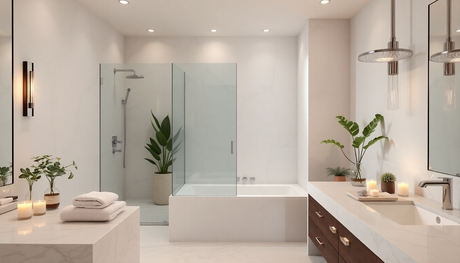
When it comes to selecting flooring materials for your kitchen, bathroom, or living spaces, few decisions are as important as choosing between porcelain tile and natural stone. Both options have captivated homeowners for decades, each offering distinct advantages and unique aesthetic appeal. At PoshHaus in Keene, NH, we understand that this choice can be overwhelming, which is why we've created this comprehensive guide to help you make an informed decision that aligns with your lifestyle, budget, and design preferences.
The flooring you select will be one of the most visible and frequently used elements in your home. It needs to withstand daily wear and tear, maintain its beauty over time, and complement your interior design vision. Whether you're renovating your kitchen, updating your bathroom, or refreshing your entire home, understanding the differences between porcelain tile and natural stone is essential. This guide will walk you through everything you need to know to make the best choice for your specific needs.
Understanding Porcelain Tile: Modern Innovation Meets Timeless Beauty
Porcelain tile represents the pinnacle of modern manufacturing technology combined with centuries of ceramic tradition. Unlike standard ceramic tiles, porcelain is created from refined clay that is fired at extremely high temperatures, resulting in a denser, more durable product. This manufacturing process creates a material that is virtually non-porous, making it exceptionally resistant to moisture, stains, and damage.
What Makes Porcelain Tile Special
Porcelain tiles are engineered to be harder and more durable than their ceramic counterparts. The high-temperature firing process creates a glass-like surface that is incredibly resistant to scratching, staining, and moisture penetration. This makes porcelain an ideal choice for areas that experience heavy foot traffic or frequent exposure to water, such as kitchens and bathrooms.
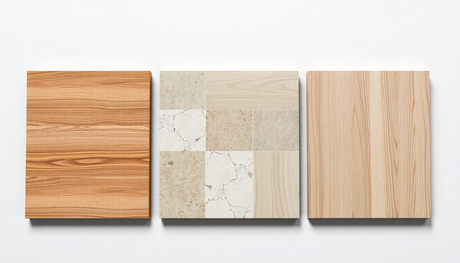
One of the most significant advantages of porcelain tile is its versatility in design. Modern manufacturing techniques allow porcelain to be produced in virtually any color, pattern, or texture imaginable. Whether you want tiles that mimic the appearance of natural stone, wood, concrete, or metal, porcelain can deliver the aesthetic you desire. This means you can achieve the look of expensive natural materials at a fraction of the cost.
The consistency of porcelain tile is another major benefit. Unlike natural stone, which varies from piece to piece, porcelain tiles are manufactured to precise specifications. This ensures that your entire floor will have uniform color, size, and texture, creating a cohesive and polished appearance throughout your space.
The Manufacturing Process
Understanding how porcelain tile is made helps explain its superior performance characteristics. The process begins with carefully selected clay minerals that are refined and purified to remove impurities. These refined clays are then mixed with other materials and water to create a homogeneous mixture.
This mixture is pressed into tile shapes using industrial presses that apply tremendous pressure, compacting the material and removing air pockets. The shaped tiles are then dried to remove excess moisture before being fired in kilns at temperatures exceeding 2,400 degrees Fahrenheit. This extreme heat causes the clay particles to fuse together at a molecular level, creating an extremely dense and durable material.
After firing, the tiles cool gradually to prevent cracking and warping. Some porcelain tiles receive additional glazing or surface treatments to enhance their appearance or add specific functional properties. The result is a product that is harder than most natural stones and significantly more resistant to damage and staining.
Exploring Natural Stone: Timeless Elegance and Unique Character
Natural stone flooring has been prized for thousands of years, adorning the palaces of emperors and the homes of nobility. Materials like travertine, marble, granite, limestone, and slate offer unparalleled natural beauty and a sense of permanence that many homeowners find irresistible.
The Appeal of Natural Stone
Natural stone possesses an inherent beauty that cannot be replicated by manufactured materials. Each piece of stone is unique, with its own color variations, veining patterns, and natural characteristics. This individuality creates a floor that is truly one-of-a-kind, reflecting the geological history of the stone and adding character and sophistication to your home.
The tactile quality of natural stone is another significant appeal. Walking barefoot on cool marble or warm travertine creates a sensory experience that many people find luxurious and grounding. The natural variations in texture and finish add depth and visual interest to your floors, creating a more dynamic and engaging space.
Natural stone also carries a certain prestige and timelessness. For centuries, natural stone has been associated with quality, permanence, and luxury. Choosing natural stone for your floors sends a message about your appreciation for craftsmanship, natural beauty, and enduring value.
Types of Natural Stone Flooring
Different types of natural stone offer varying characteristics and performance levels. Granite is one of the hardest natural stones, formed from molten rock that cooled slowly beneath the earth's surface. It offers excellent durability and comes in a wide range of colors and patterns. Granite is particularly popular for kitchen countertops and high-traffic areas.
Marble is prized for its elegant appearance and soft, sophisticated aesthetic. However, marble is softer and more porous than granite, making it more susceptible to staining and etching. Despite these challenges, many homeowners choose marble for bathrooms and bedrooms where traffic is lighter.
Travertine is a sedimentary stone formed from mineral-rich hot springs. It offers a warm, earthy aesthetic and is popular in Mediterranean and rustic design schemes. Travertine is softer than granite but harder than marble, and its natural porous nature gives it a distinctive appearance with characteristic pitting and holes.
Limestone is another sedimentary stone that offers a subtle, understated elegance. It tends to be softer and more porous than granite, making it better suited for lower-traffic areas or spaces where its unique character is valued over maximum durability.
Slate is a metamorphic rock that splits naturally into thin, flat sheets. It offers a rustic, textured appearance and is quite durable, though it can be prone to splintering if not properly sealed and maintained.
Porcelain Tile vs Travertine: A Detailed Comparison
When comparing porcelain tile to travertine specifically, several important differences emerge that can significantly impact your decision.
Appearance and Aesthetics
Travertine offers a warm, natural aesthetic that many homeowners find irresistible. Its characteristic pitting, veining, and color variations create a floor with tremendous character and visual interest. The natural variations in travertine mean that no two tiles are exactly alike, creating a unique and personalized floor.
Porcelain tile can be manufactured to closely mimic the appearance of travertine, offering similar color palettes and even reproducing the characteristic pitting and texture of natural travertine. However, the consistency of porcelain means that the pattern repeats, and the variations are more uniform than in natural stone. For some homeowners, this consistency is a benefit, while others prefer the true randomness of natural stone.
The color of travertine tends to be warm and earthy, ranging from cream and beige to golden and russet tones. This warm palette creates a welcoming, inviting atmosphere that works well in Mediterranean, rustic, and transitional design schemes. Porcelain tiles can replicate these warm tones, but they can also offer a broader range of colors and finishes, from cool grays to bold jewel tones.
Installation Considerations
Both porcelain tile and travertine require professional installation to ensure proper performance and longevity. However, the installation process differs in some important ways.
Travertine's natural pitting and uneven surface can make installation more challenging. The holes and depressions in travertine must be filled before installation to create a level surface suitable for grouting. This filling process adds time and expense to the installation. Additionally, the softer nature of travertine means that installers must be careful to avoid damaging the stone during the installation process.
Porcelain tile, being manufactured to precise specifications, offers a more uniform surface that is easier to install. The consistent thickness and flatness of porcelain tiles means that installation can proceed more quickly and with fewer complications. This can result in lower installation costs compared to natural stone.
Both materials require proper substrate preparation and the use of appropriate adhesives and grouts. However, the specific products and techniques may differ based on the material being installed.
Maintenance Differences: A Critical Factor in Your Decision
One of the most significant differences between porcelain tile and natural stone lies in their maintenance requirements. Understanding these differences is crucial for making a decision that aligns with your lifestyle and commitment to home care.
Porcelain Tile Maintenance
Porcelain tile is remarkably low-maintenance, which is one of its greatest advantages. The non-porous nature of porcelain means that liquids cannot penetrate the surface, making it virtually stain-proof. Spills can be wiped up immediately without fear of permanent damage.
Daily cleaning of porcelain tile is simple and straightforward. A damp mop with warm water and a mild detergent is usually sufficient to keep porcelain floors looking beautiful. For more stubborn dirt or grime, a slightly stronger cleaning solution can be used without risk of damaging the tile.
Porcelain tile does not require sealing, which eliminates an ongoing maintenance task that many natural stone owners must perform regularly. This not only saves time but also reduces long-term maintenance costs.
The grout lines between porcelain tiles may require occasional attention, particularly in areas with heavy moisture exposure. Grout can be prone to staining and mildew growth, especially in bathrooms. However, modern grout products and sealers can minimize these issues, and the grout lines can be cleaned with a stiff brush and appropriate cleaning solution.
Porcelain tile is also resistant to etching, which is a common problem with softer natural stones like marble and travertine. Acidic substances like lemon juice, vinegar, or wine will not damage the surface of porcelain tile, making it an excellent choice for kitchens where such spills are common.
Natural Stone Maintenance: Travertine Specifics
Natural stone, particularly travertine, requires significantly more maintenance than porcelain tile. This is not necessarily a drawback, but rather a reality that homeowners must accept and plan for when choosing natural stone.
Travertine is porous, meaning that liquids can penetrate the surface and potentially cause staining. To protect travertine from staining, the stone must be sealed with a high-quality sealer immediately after installation. This sealer creates a protective barrier that repels liquids and prevents them from penetrating the stone.
However, sealing is not a one-time task. Travertine sealer gradually wears away with foot traffic and exposure to water and cleaning products. Most experts recommend resealing travertine every one to three years, depending on the level of traffic and exposure. In high-traffic areas like kitchens, more frequent resealing may be necessary.
Even with proper sealing, travertine requires careful handling of spills. Acidic substances like lemon juice, vinegar, wine, and tomato sauce can etch the surface of travertine, creating dull spots that are difficult to repair. These substances should be wiped up immediately to prevent damage.
Travertine also requires more careful cleaning than porcelain tile. Harsh chemicals and acidic cleaners should be avoided, as they can damage the stone and strip away the protective sealer. Instead, travertine should be cleaned with pH-neutral cleaners specifically designed for natural stone.
The pitting and holes characteristic of travertine can trap dirt and bacteria if not properly maintained. Regular sweeping and vacuuming are essential to prevent debris from accumulating in these depressions. Additionally, the grout lines between travertine tiles require regular attention to prevent mildew and staining.
Long-Term Maintenance Costs
When considering maintenance, it's important to factor in long-term costs. While porcelain tile has minimal maintenance requirements and costs, natural stone requires ongoing investment in sealing, specialized cleaning products, and professional maintenance services.
Over a ten-year period, the cost of sealing travertine multiple times, purchasing specialized cleaning products, and potentially addressing stains or damage can be substantial. In contrast, porcelain tile requires only basic cleaning supplies and no specialized treatments, resulting in significantly lower long-term maintenance costs.
For homeowners who value convenience and prefer to minimize ongoing maintenance tasks, porcelain tile is clearly the superior choice. For those who are willing to invest time and money in maintaining their floors and who appreciate the unique character of natural stone, the additional maintenance may be a worthwhile trade-off.
Durability: Which Material Stands the Test of Time?
Durability is perhaps the most critical factor when choosing flooring material. Your floors must withstand years of foot traffic, furniture movement, and daily wear and tear while maintaining their appearance and structural integrity.
Porcelain Tile Durability
Porcelain tile is exceptionally durable and is rated on the Porcelain Enamel Institute (PEI) scale, which measures resistance to wear and scratching. The highest-rated porcelain tiles (PEI 5) are suitable for even the most demanding applications, including commercial spaces and high-traffic residential areas.
The hardness of porcelain tile makes it resistant to scratching from furniture legs, pet claws, and dropped objects. While extremely hard impacts can potentially chip or crack porcelain, such damage is relatively rare and typically requires significant force.
Porcelain tile is also highly resistant to moisture damage. Because the material is non-porous, water cannot penetrate the surface or cause the tile to swell, warp, or deteriorate. This makes porcelain an excellent choice for bathrooms, kitchens, and other moisture-prone areas.
The durability of porcelain tile means that it can last for decades without significant degradation. Many porcelain tile installations from decades ago remain in excellent condition, demonstrating the long-term durability of this material.
Natural Stone Durability: Travertine Considerations
Natural stone durability varies significantly depending on the type of stone. Granite is extremely durable and can last for centuries with proper care. Marble and travertine are softer and more susceptible to damage and staining.
Travertine is moderately durable but requires proper maintenance to preserve its appearance and integrity. The porous nature of travertine means that it is susceptible to staining, etching, and water damage if not properly sealed and maintained.
Foot traffic can gradually wear away the surface of travertine, creating a polished appearance in high-traffic areas. While some homeowners appreciate this patina of age, others find it undesirable. Additionally, the softer nature of travertine means that it can be scratched or gouged by furniture legs or dropped objects more easily than harder stones like granite.
Travertine is also susceptible to freeze-thaw damage in cold climates. If water penetrates the porous stone and then freezes, it can cause the stone to crack or spall. This makes travertine less suitable for outdoor applications or areas that experience significant temperature fluctuations.
Durability in Specific Applications
In kitchens, where spills, heat, and heavy use are common, porcelain tile is generally the more durable choice. The resistance to staining and etching makes porcelain ideal for this high-traffic, high-moisture environment. While travertine can be used in kitchens, it requires more careful maintenance and is more susceptible to damage from common kitchen spills.
In bathrooms, both porcelain tile and natural stone can perform well, but porcelain's superior moisture resistance and lower maintenance requirements make it a practical choice. Travertine can create a luxurious spa-like atmosphere in bathrooms, but the moisture exposure requires diligent sealing and maintenance.
In living rooms and bedrooms with lighter traffic, natural stone can perform admirably and may be preferred for its aesthetic qualities. The lower traffic levels mean that durability concerns are less critical, and the unique character of natural stone can be fully appreciated.
Cost Considerations: Budget and Value
Cost is a significant factor in the flooring decision for most homeowners. Understanding the full cost picture, including material costs, installation costs, and long-term maintenance costs, is essential for making a financially sound decision.
Material Costs
Porcelain tile is generally less expensive than natural stone on a per-square-foot basis. High-quality porcelain tiles typically range from $3 to $15 per square foot, depending on the quality, design, and finish. Specialty porcelain tiles with unique designs or finishes may cost more.
Natural stone, particularly travertine, typically costs more than porcelain tile. Travertine generally ranges from $5 to $20 per square foot, with premium selections costing even more. The cost varies based on the quality, origin, and rarity of the stone.
However, it's important to note that porcelain tiles designed to mimic natural stone can cost significantly more than basic porcelain tiles, sometimes approaching or exceeding the cost of natural stone itself. These premium porcelain tiles offer the aesthetic of natural stone with the durability and low maintenance of porcelain.
Installation Costs
Installation costs can vary significantly based on the complexity of the project, the skill level of the installer, and regional labor rates. Generally, porcelain tile installation is less expensive than natural stone installation, ranging from $5 to $15 per square foot for labor.
Natural stone installation, particularly travertine, typically costs more due to the additional preparation required, the need to fill pitting and holes, and the greater care required to avoid damaging the stone. Installation costs for natural stone typically range from $8