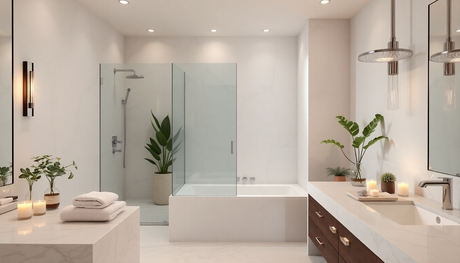
When it comes to bathroom renovations, few decisions have as much impact on both functionality and aesthetics as choosing the right vanity. Whether you're planning a complete bathroom overhaul or simply looking to refresh your space, ready-to-install bathroom vanities have revolutionized the way homeowners approach this essential fixture. At PoshHaus in Keene, NH, we understand that modern homeowners want quality, style, and convenience all rolled into one solution. That's why pre-assembled bathroom vanities have become increasingly popular among those seeking to upgrade their bathrooms without the hassle of custom building or the expense of hiring contractors for every step of the process.
Ready-to-install vanities represent a perfect middle ground between basic stock options and fully custom solutions. They arrive at your home substantially assembled, requiring only final installation and plumbing connections. This approach saves time, reduces frustration, and allows you to achieve professional-looking results without needing extensive carpentry skills or specialized tools. In this comprehensive guide, we'll explore everything you need to know about pre-assembled bathroom vanities, from understanding what makes them special to mastering the installation process and tackling the plumbing aspects with confidence.
Understanding Ready-To-Install Bathroom Vanities
What Exactly Are Pre-Assembled Bathroom Vanities?
Pre-assembled bathroom vanities are bathroom fixtures that come to your home with the cabinet structure, drawers, and doors already constructed and finished. Unlike traditional vanities that require assembly from individual components, ready-to-install options arrive as a cohesive unit that's ready for placement and connection. The term "ready-to-install" specifically refers to vanities that require minimal assembly work—typically just attaching hardware, installing the countertop if it's separate, and making plumbing connections.
These vanities are manufactured in controlled factory environments where precision machinery ensures consistent quality and proper alignment of all components. This manufacturing process means you're getting a product that's been quality-checked before it ever leaves the facility, reducing the likelihood of defects or misaligned drawers that sometimes plague on-site construction.
The Evolution of Bathroom Vanity Options
The bathroom vanity market has evolved significantly over the past two decades. In the early 2000s, homeowners had three primary options: basic stock vanities from big-box retailers, semi-custom options from specialty retailers, or fully custom vanities built by local craftspeople. Each option had distinct trade-offs regarding price, quality, customization, and installation difficulty.
Ready-to-install vanities emerged as manufacturers recognized an opportunity to bridge the gap between these options. By pre-assembling vanities in factories with advanced woodworking equipment, manufacturers could offer better quality than basic stock options while keeping prices significantly lower than fully custom solutions. The result is a product category that has transformed bathroom renovation for countless homeowners.
Why Choose Ready-To-Install Over Other Options?
The advantages of pre-assembled bathroom vanities extend far beyond simple convenience. When you choose a ready-to-install vanity from PoshHaus, you're making a smart investment in your home renovation project. First, these vanities offer exceptional value. Because they're manufactured at scale in efficient factory settings, the cost per unit is substantially lower than custom-built alternatives. You're not paying for a craftsperson to spend hours building your vanity on-site; instead, you're benefiting from the economies of scale that come with factory production.
Second, pre-assembled vanities provide superior quality control. Factory manufacturing processes include multiple quality checkpoints. Drawers are tested for smooth operation, cabinet joints are inspected for proper alignment, and finishes are applied in controlled environments that ensure consistent results. This level of quality control is difficult to achieve in on-site construction, where variables like humidity, temperature, and worker fatigue can affect the final product.
Third, ready-to-install vanities dramatically reduce installation time. What might take a skilled carpenter several days to build on-site can be installed in just a few hours. This means less disruption to your daily life, faster completion of your bathroom project, and reduced labor costs if you do hire professional installation help.
Fourth, these vanities offer impressive design variety. Manufacturers produce ready-to-install vanities in countless styles, sizes, finishes, and configurations. Whether you prefer traditional, contemporary, transitional, or any other design aesthetic, you'll find pre-assembled options that match your vision. At PoshHaus, we curate a selection of ready-to-install vanities that represent the latest design trends while maintaining timeless appeal.
Selecting the Perfect Ready-To-Install Vanity for Your Space
Measuring Your Bathroom Space Accurately
Before you can select a ready-to-install vanity, you need to understand your bathroom's dimensions and constraints. Accurate measurements are absolutely critical because a vanity that's even slightly too large can make your bathroom feel cramped and create functional problems. Conversely, a vanity that's too small might not provide adequate storage or counter space.
Start by measuring the wall where you plan to install the vanity. Measure from the corner of the room to any obstacles like windows, doors, or existing plumbing penetrations. Use a metal tape measure rather than a cloth one, as metal measures provide more accurate readings. Measure at multiple heights—top, middle, and bottom of the wall—because walls aren't always perfectly straight, and these variations could affect your vanity installation.
Next, measure the height of your existing vanity if you're replacing one, or measure from the floor to any reference points like window sills or existing fixtures. Standard vanity height is 32 inches from the floor to the countertop surface, though some modern vanities are 36 inches tall to accommodate taller individuals or to match contemporary design preferences.
Don't forget to measure the depth of your bathroom. You need to ensure that your vanity won't protrude so far into the room that it creates traffic flow problems or interferes with the bathroom door swing. Standard vanity depth is 21 inches, though some models are deeper or shallower depending on design.
Finally, identify the location of your plumbing rough-in. If you're replacing an existing vanity, the plumbing is likely already in place. If you're installing a vanity in a new location, you need to know where the water supply lines and drain are located. This information is crucial for selecting a vanity with the correct sink configuration.
Evaluating Vanity Styles and Finishes
Ready-to-install vanities come in an astounding variety of styles, each suited to different design aesthetics and functional needs. Traditional vanities feature raised panel doors, decorative hardware, and finishes like cherry or maple wood stain. These vanities evoke a classic, timeless aesthetic that works beautifully in homes with traditional or transitional design schemes.
Contemporary vanities, by contrast, feature clean lines, flat-panel doors, and minimalist hardware. These vanities often showcase natural wood tones or painted finishes in colors like white, gray, or black. Contemporary vanities work wonderfully in modern bathrooms and create a sense of spaciousness through their streamlined design.
Transitional vanities blend elements of both traditional and contemporary styles. They might feature simple door profiles with subtle detailing, or neutral finishes that work with multiple design schemes. Transitional vanities are incredibly versatile and work well in homes where you want a balanced aesthetic that's neither too formal nor too casual.
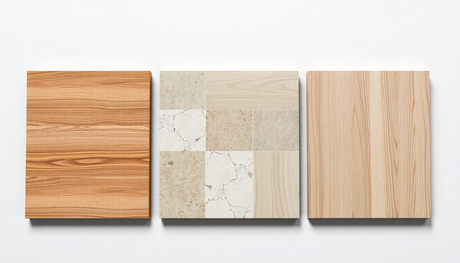
Beyond style categories, consider the finish of your vanity. Painted finishes offer clean, contemporary looks and are available in virtually any color. Natural wood finishes showcase the beauty of the wood grain and develop character over time. Glazed finishes add depth and visual interest by layering colors and techniques. Each finish type has different maintenance requirements and longevity characteristics, so consider your lifestyle and maintenance preferences when making your selection.
Considering Storage and Functionality
The best-looking vanity in the world won't serve you well if it doesn't meet your storage and functional needs. Think carefully about how you use your bathroom and what items you need to store. Do you have extensive skincare routines that require numerous products? Do you need space for hair styling tools? Do you have medications or first-aid supplies that need secure storage?
Ready-to-install vanities offer various storage configurations. Single-sink vanities with two drawers and a cabinet provide basic storage suitable for bathrooms with minimal storage needs. Double-sink vanities with multiple drawers and cabinets offer substantially more storage and are ideal for master bathrooms or shared bathrooms where multiple people need to store personal items.
Consider the type of storage as well. Drawers are excellent for storing smaller items and keeping them organized, as they typically include dividers or can accommodate drawer organizers. Cabinets with shelves work well for storing larger items or bulky products. Open shelving, featured in some contemporary vanities, provides easy access to frequently used items but requires that those items be attractive enough to display.
The sink configuration also affects functionality. Single-sink vanities are space-efficient and work well in powder rooms or guest bathrooms. Double-sink vanities eliminate morning bathroom conflicts in households with multiple users and provide each person with their own sink and counter space. Some ready-to-install vanities offer vessel sinks that sit on top of the countertop, creating a striking visual statement while potentially reducing usable counter space.
Understanding Countertop Options
While many ready-to-install vanities come with countertops already installed, some are available as cabinet-only options, allowing you to select your preferred countertop material. Understanding your countertop options helps you make informed decisions about durability, maintenance, and aesthetic appeal.
Laminate countertops are budget-friendly and available in countless colors and patterns. They're easy to clean and maintain, though they can be damaged by excessive heat or sharp objects. Laminate is an excellent choice if you're working with a limited budget or prefer low-maintenance surfaces.
Solid surface countertops like Corian offer seamless appearance, easy repair of minor damage, and good durability. They're more expensive than laminate but less costly than natural stone. Solid surface countertops work well in contemporary bathrooms and are available in numerous colors and finishes.
Quartz countertops combine engineered stone with resin binders to create a non-porous, extremely durable surface. Quartz resists staining, requires minimal maintenance, and is available in stunning colors and patterns. The cost is higher than laminate or solid surface but lower than natural stone, making quartz an increasingly popular choice for bathroom vanities.
Granite and marble countertops offer unmatched natural beauty and luxury appeal. Each slab is unique, creating one-of-a-kind surfaces. However, natural stone requires regular sealing, can stain if not properly maintained, and is the most expensive countertop option. Natural stone works beautifully in high-end bathrooms where the investment is justified by the aesthetic impact.
Preparing Your Bathroom for Installation
Removing Your Existing Vanity
If you're replacing an existing vanity, the first step is removing it carefully. Before you begin, turn off the water supply to your bathroom. Locate the shut-off valves under the sink and turn them clockwise until they stop. If your bathroom doesn't have individual shut-off valves, you may need to shut off the main water supply to your house.
Open the cabinet doors and look under the sink. You'll see water supply lines connected to the faucet and a drain line connected to the sink. The supply lines are typically connected with compression fittings—nuts that you can loosen by hand or with a wrench. Place a bucket under the connections to catch any remaining water in the lines.
Loosen the compression nuts by turning them counterclockwise. If they're stuck, apply penetrating oil and wait a few minutes before trying again. Once the nuts are loose enough, you can usually unscrew them by hand. Disconnect the drain line by loosening the slip nuts that connect it to the sink drain and the wall drain. Again, have a bucket ready to catch water.
With the plumbing disconnected, you need to remove the vanity from the wall. Check underneath the countertop for fasteners that secure the vanity to the wall. These are typically screws or bolts that go through the back of the vanity cabinet into wall studs. Remove these fasteners using an appropriate screwdriver or wrench.
If the vanity is caulked to the wall or floor, use a utility knife to cut through the caulk. This helps prevent damage to the wall when you pull the vanity away. Carefully pull the vanity away from the wall. You may need a helper for this step, as vanities can be heavy and awkward to maneuver.
Once the vanity is removed, inspect the wall behind it. You may find water damage, mold, or simply an area that needs cleaning and preparation. Address any water damage or mold issues before installing your new vanity. If the wall is in poor condition, you may need to patch drywall or make other repairs.
Preparing the Wall and Floor
A smooth, clean wall and floor are essential for proper vanity installation. Start by cleaning the wall thoroughly. Remove any old caulk, adhesive, or debris. If there are holes or damage from the previous vanity installation, patch them with spackling compound or drywall patch. Sand the patches smooth once they're dry.
Check that the wall is plumb (perfectly vertical) using a level. Place a long level against the wall in multiple locations. If the wall is significantly out of plumb, you may need to shim the vanity during installation to ensure it's level and properly aligned.
Examine the floor where the vanity will sit. It should be clean and level. Use a level to check for low spots or high spots. If the floor has significant variations, you may need to shim the vanity to ensure it sits level and doesn't rock. Small variations can usually be accommodated with shims during installation.
If you're installing a new vanity in a location where there wasn't previously a vanity, you need to ensure that plumbing rough-in is in the correct location. The drain should be centered under where the sink will be, and water supply lines should be positioned to connect to the faucet. If the rough-in isn't in the correct location, you'll need to have a plumber relocate it before proceeding with vanity installation.
Checking Plumbing Rough-In
The plumbing rough-in refers to the water supply lines and drain that are already in place in your wall. Before you install your new ready-to-install vanity, you need to verify that the rough-in matches your vanity's configuration.
Measure the distance from the wall to the center of the drain opening. This should match the drain location on your new vanity. Similarly, measure the height of the drain from the floor and the height of the water supply lines. These measurements should align with the openings in your new vanity cabinet.
If the rough-in doesn't match your vanity, you have a few options. You can select a different vanity that matches your existing rough-in, you can have a plumber relocate the rough-in to match your chosen vanity, or you can use flexible supply lines and drain extensions to adapt the rough-in to your vanity. The first option is usually the most cost-effective, which is why accurate measurement and planning are so important.
Step-By-Step Installation Guide
Positioning Your Ready-To-Install Vanity
Once your wall and floor are prepared, it's time to position your new vanity. Start by carefully moving the vanity into position. If it's a heavy vanity, get a helper to avoid injury and prevent damage to the vanity or your home.
Position the vanity so that it's centered on the wall (if that's your design intent) or positioned according to your specific layout. Use a level to check that the vanity is level from side to side and front to back. If the vanity isn't level, use shims under the base to adjust it. Shims are thin wedges of wood or plastic that you can slide under the vanity feet to raise one side or corner.
Once the vanity is level, check that it's positioned correctly relative to the plumbing rough-in. The drain opening in the vanity should align with the drain rough-in in the wall. The water supply line openings should align with the supply rough-in. If everything aligns properly, you're ready to secure the vanity to the wall.
Securing the Vanity to the Wall
Securing the vanity to the wall is critical for safety and stability. Most ready-to-install vanities have a mounting rail or cleat on the back that's designed to be fastened to wall studs. Locate this mounting rail and identify where it aligns with the wall studs behind it.
Use a stud finder to locate the wall studs. Mark their locations with a pencil. The mounting rail should be fastened to at least two studs, preferably three or more for maximum stability. Use appropriate fasteners—typically 2.5-inch wood screws or bolts—to secure the mounting rail to the studs.
Drill pilot holes first to prevent the wood from splitting. Then drive the screws or bolts through the mounting rail into the studs. Make sure the fasteners are tight but don't over-tighten them, as this can strip the threads or crack the vanity cabinet.
If your vanity doesn't have a mounting rail, you may need to secure it by fastening through the back of the cabinet into the wall studs. Locate the studs and drill holes through the back panel of the vanity. Use appropriate fasteners to secure the vanity to the studs.
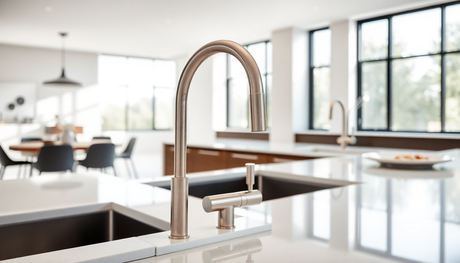
Installing the Faucet and Sink
If your ready-to-install vanity comes with the sink and countertop already installed, you may still need to install the faucet. If the sink and countertop